



































UPDATED JAN 27, 2026
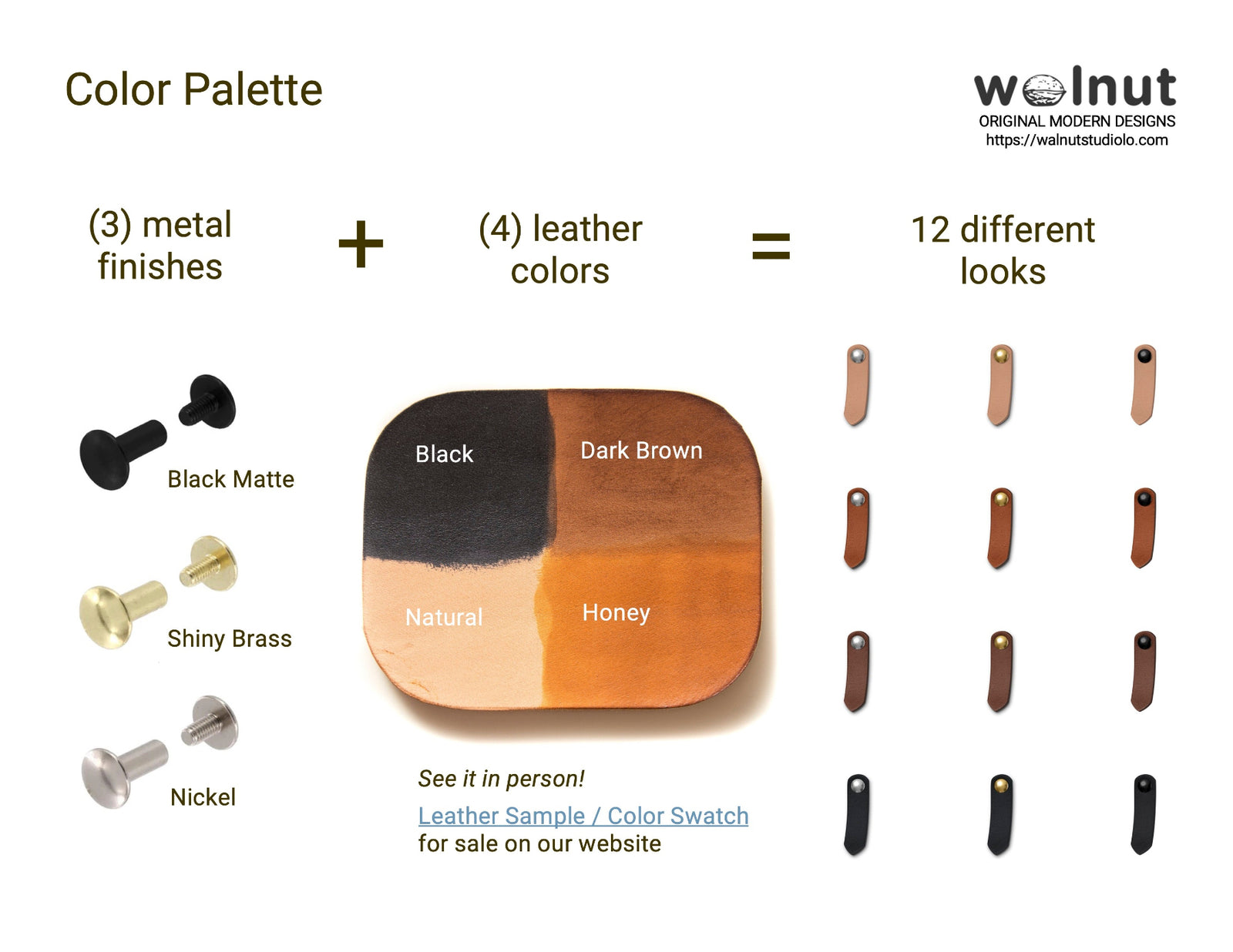
In this post, we'll explain and show the differences between our four standard leather colors: Natural, Honey, Dark Brown, and Black. Why we use these colors as our standard (Brooks bicycle saddle matching). And discuss options and limitations for other colors.

Jump to Section
The Origins of our 4 Standard Leather Colors: A Compliment to Brooks Bicycle Saddles
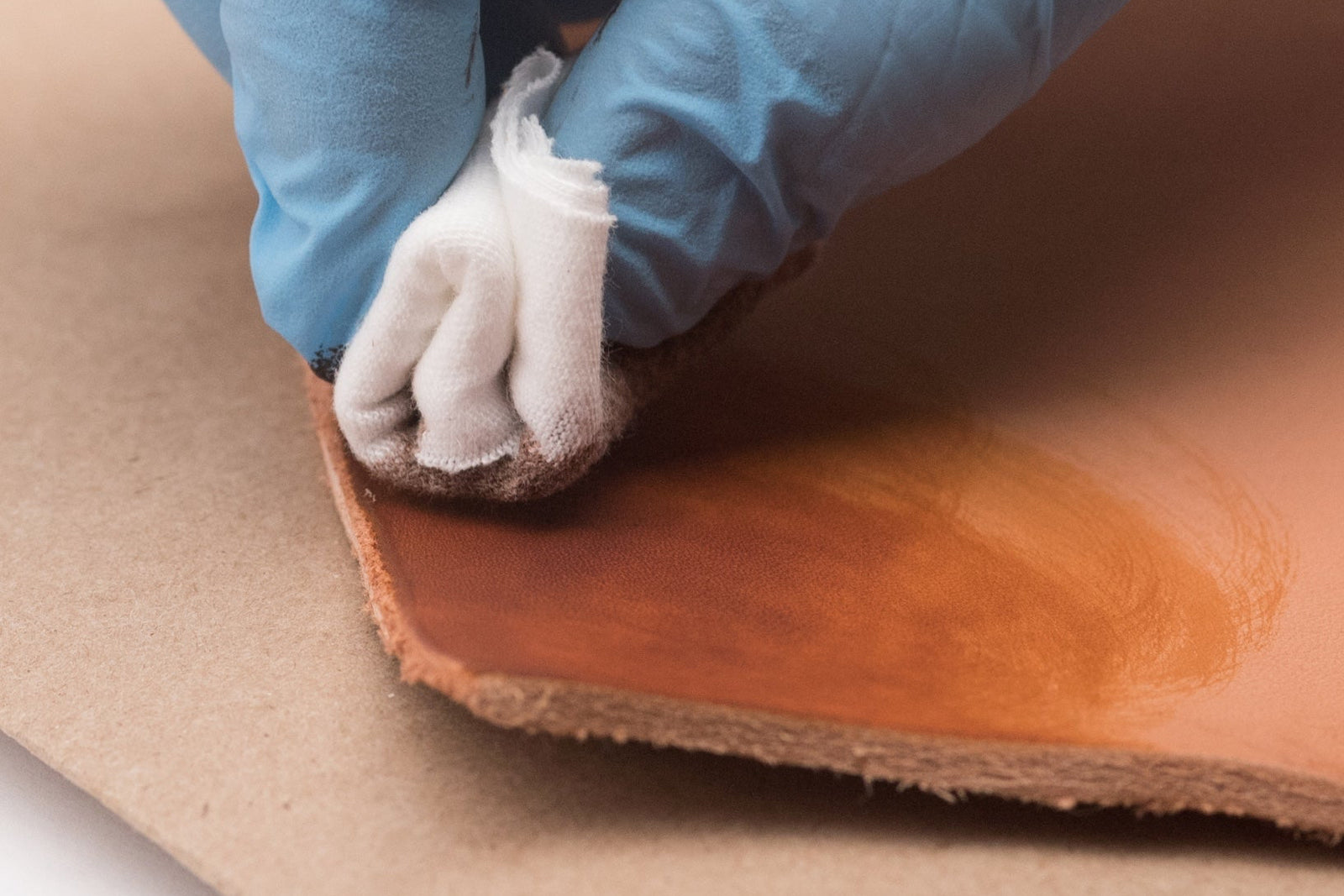
The leather we use for our handles comes to us as Natural vegetable-tanned leather, and we hand-rub old-fashioned oil dyes into the surface to make the colors of Honey, Dark Brown, and Black.
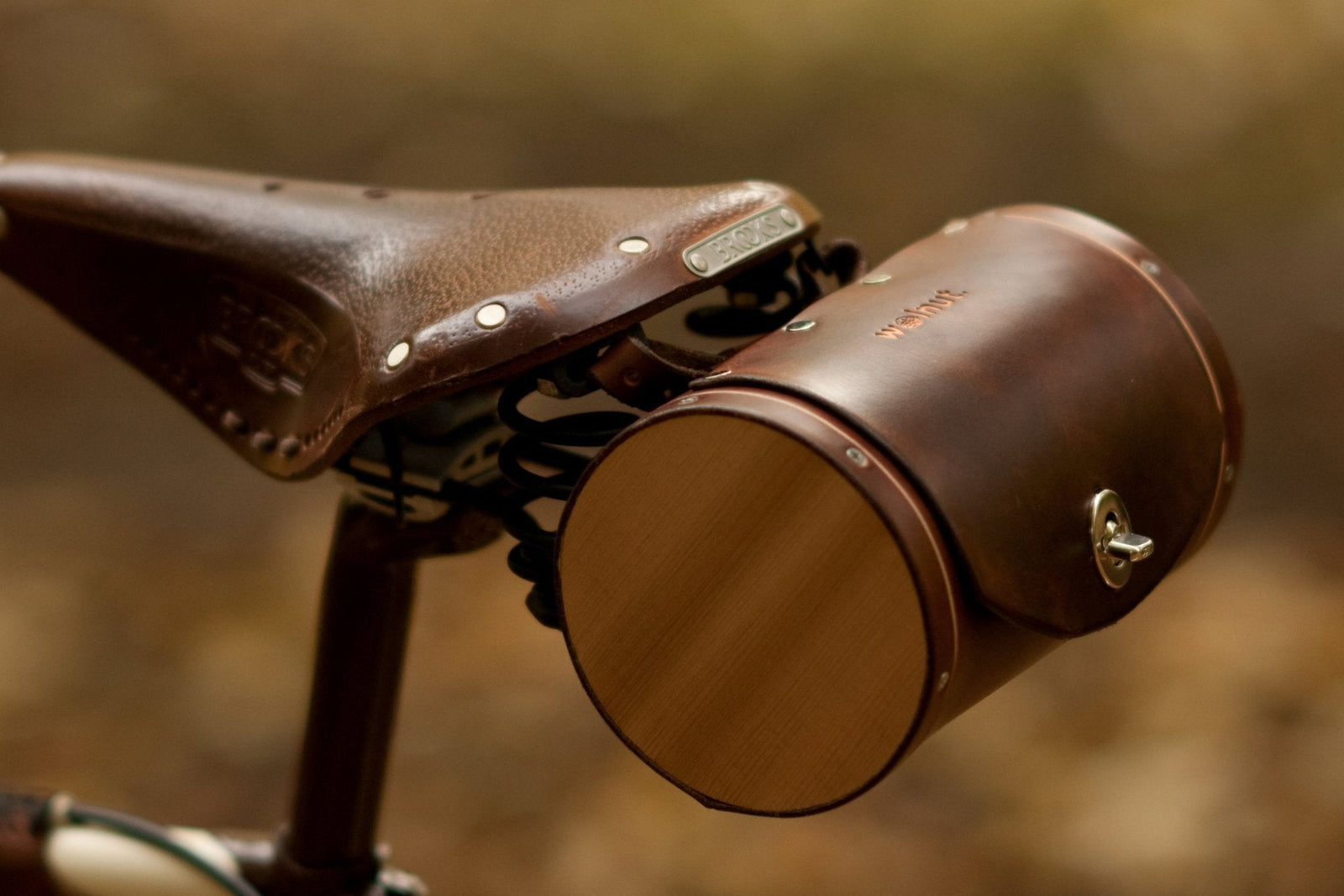
The origin of these color choices was actually to match Brooks bicycle saddles, as we started our business making primarily leather bicycle accessories. Over time, Brooks has expanded its color selection and material palette, and we've expanded our product selection far beyond bicycle accessories.
The longer we work with leather, the more we learn there are a lot of shades of brown! These four colors are distinct and present an easier choice.
We find that the colors wear (age) differently and discuss each one in turn below.


About Natural (Undyed) Leather Color
Natural is the un-dyed, natural color of the hide. We add a simple protective topcoat, which only darkens it slightly. It is the most natural product as well as the most natural color.
Unlike our oil-dyed colors, Natural is more susceptible to characterful markings from normal wear and use, and darkening ("sun-tanning) in UV light. If placed in a sunny window undisturbed for as little as even a few hours, it can darken from a dark cream to a light brown color.
This is part of its charm: natural leather is as old-fashioned as it comes and it will eventually even out into a rich, dark patina.

Hand-rubbed Oil-Dyed Leather Colors
Hand-rubbing in oil dye to the surface of natural, vegetable-tanned leather is a skill that's not often practiced these days in leathercrafting. Most leather isn't even quality enough to accept oil dye, with too many scars or mars or surface sanding. Those who don't practice hand-dying even question its value -- but we don't.
Oil dye "stains" the leather surface, allowing the natural grain to show through, just like staining a fine-grained wood instead of painting. Our leather is much too fine to coat with an impenetrable layer of paint.
Veg-tan leather is a natural product that deserves a natural finish, and as countless customers have told us after over a decade in business, as soon as they get it in their hands, they know the difference:
- The sturdy, quality leather that holds up to gravity on its own
- The smooth surface you can't stop touching
- The mellow luster that almost glows
Honey Color (Saddle Tan)
Honey is a unique color worth exploring: it's also been dubbed "cognac" and "saddle tan".
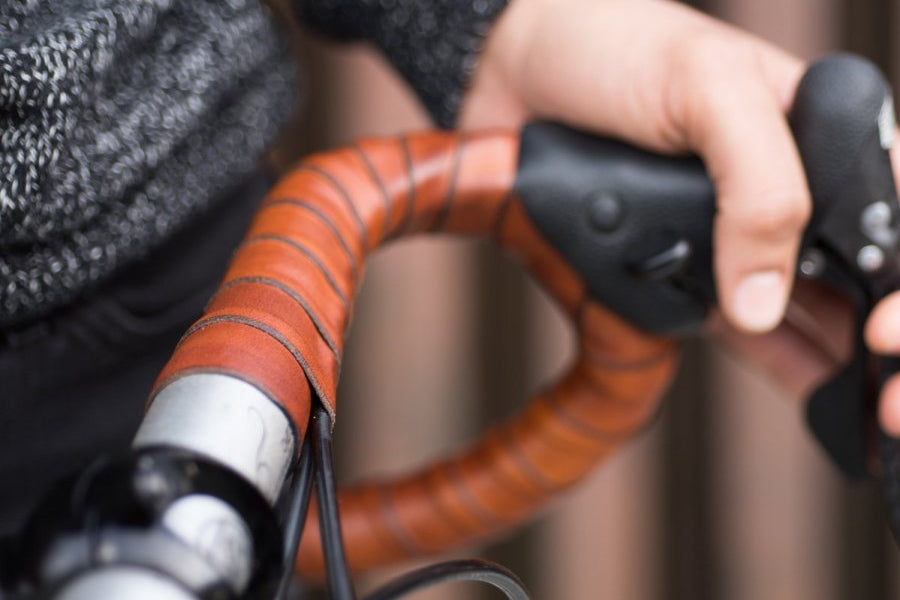
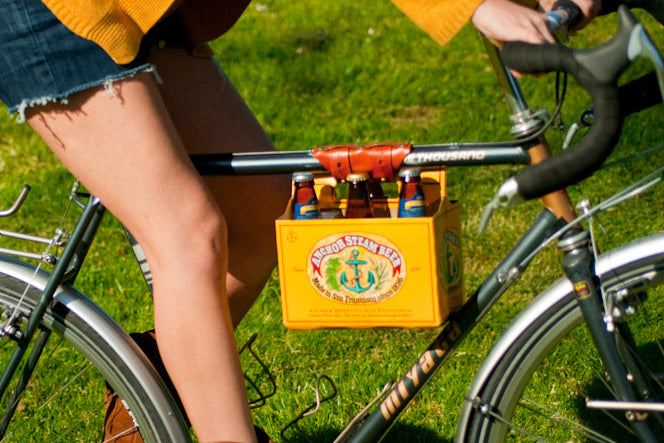
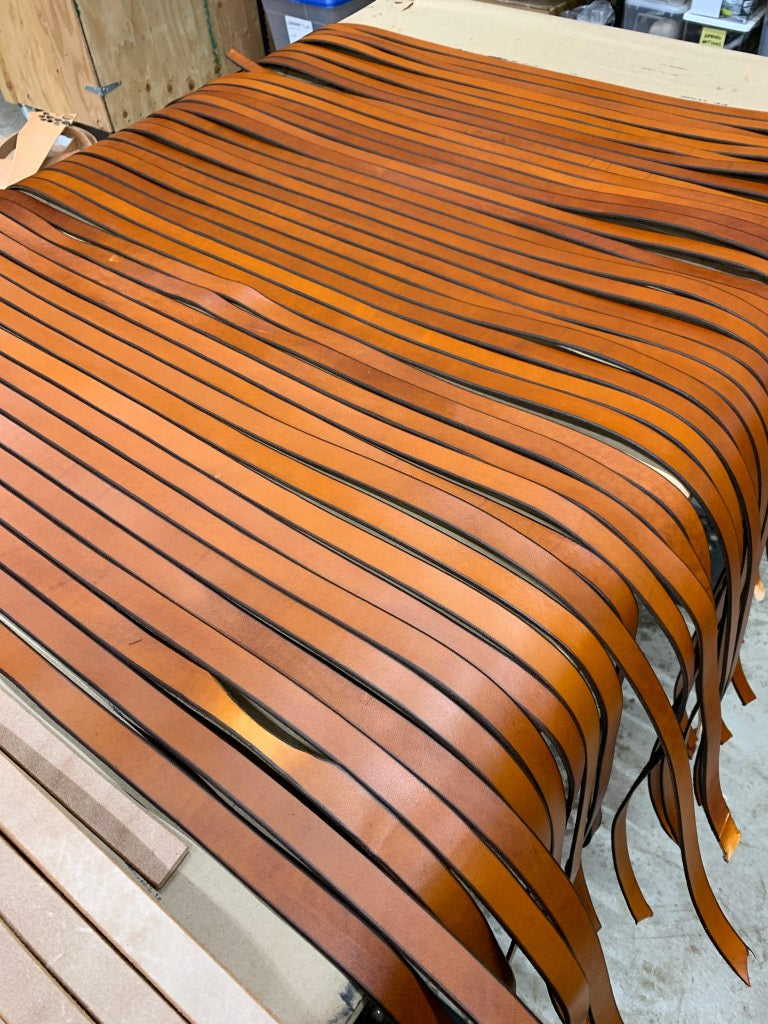
Our "Honey" is a traditional British equestrian saddle leather color, a light to medium brown with a hint of orange/red. It is unique amongst our leather colors, and is stunning when paired with the opposite side of the color wheel, blues/greens.
Dark Brown Leather Color
There are many shades of brown in leather craft and leather dyes, but our Dark Brown is a deep, rich and classic dark brown, like an unwrapped bar of dark chocolate.

Black Leather
In dyeing terms, Black is a straightforward, pure, binary color. It is the easiest color to match.
Interestingly though: unlike Natural, Honey, and Dark Brown, which darken with time and use, the inky black color actually fades to very dark brown with UV light over time.

Other Colors
Although we've selected our top four colors, we are a nimble, family-run workshop and may be able to make other colors upon custom request.
More Classic Oil Dye Colors: Green, Blue, Red...
Our trusted classic oil dye manufacturer does make some colors other than shades of browns. We don't stock this dye but can make our products these colors custom upon request:
- Classic Red
- Dark Royal Blue
- British Racing Green


What About White Leather?
Although we cannot bleach our veg-tan leather white, we have at times been able to locate a very special ($$$) show leather in an off-white that can be used for certain products that require thick leather.
White leather is otherwise only available as garment (chrome-tanned) leather, which has a fabric-like drape. We have used these from time to time for sew-on wraps upon request, depending on availability.


Custom Color Blending
We have done custom color-blending upon request. We cannot be precise like fabric dyeing but we can blend dyes together, such as achieving a "black-brown" effect by blending Chocolate and Black dyes.
It's important to be flexible when bearing in mind color matching leather. The underlying hide color varies somewhat, which creates different expressions of color when using the same dye from hide to hide.


Natural Dyes
We use an old-fashioned oil dye that's been used for generations. It applies smoothly and predictably. But we have experimented with natural plant dyes when we can get our hands on them!
This customer shared a sample of her own artisan-made black walnut dye which we used to make lanyards as a sample and barter. We absolutely love the unique way the dye took to the natural underlying grain pattern!

Some Colors Are Unavailable for Veg-Tan: About Chrome-Tanned Leathers
Unlike garment leather, we cannot dye our leather in non-earth-tone colors like gray or pink.
Why is that? In brief, it's because the natural veg-tan hide underlying material is not bleached.
Leather Color Swatches
Leather is a natural material, and each hide's base color can vary just a little, and this can affect the final color. That natural color variation is what makes our leather so beautiful: just like natural wood grain, each piece is unique.
This natural finish is hard to capture on computer screens. That's why we sell leather samples / color swatches so customers can see them in person themselves before they buy. These swatches are up-cycled pieces from our Bicycle Barrel Bags, and can be used as a beautiful drink coaster!






Leave a comment (all fields required)