











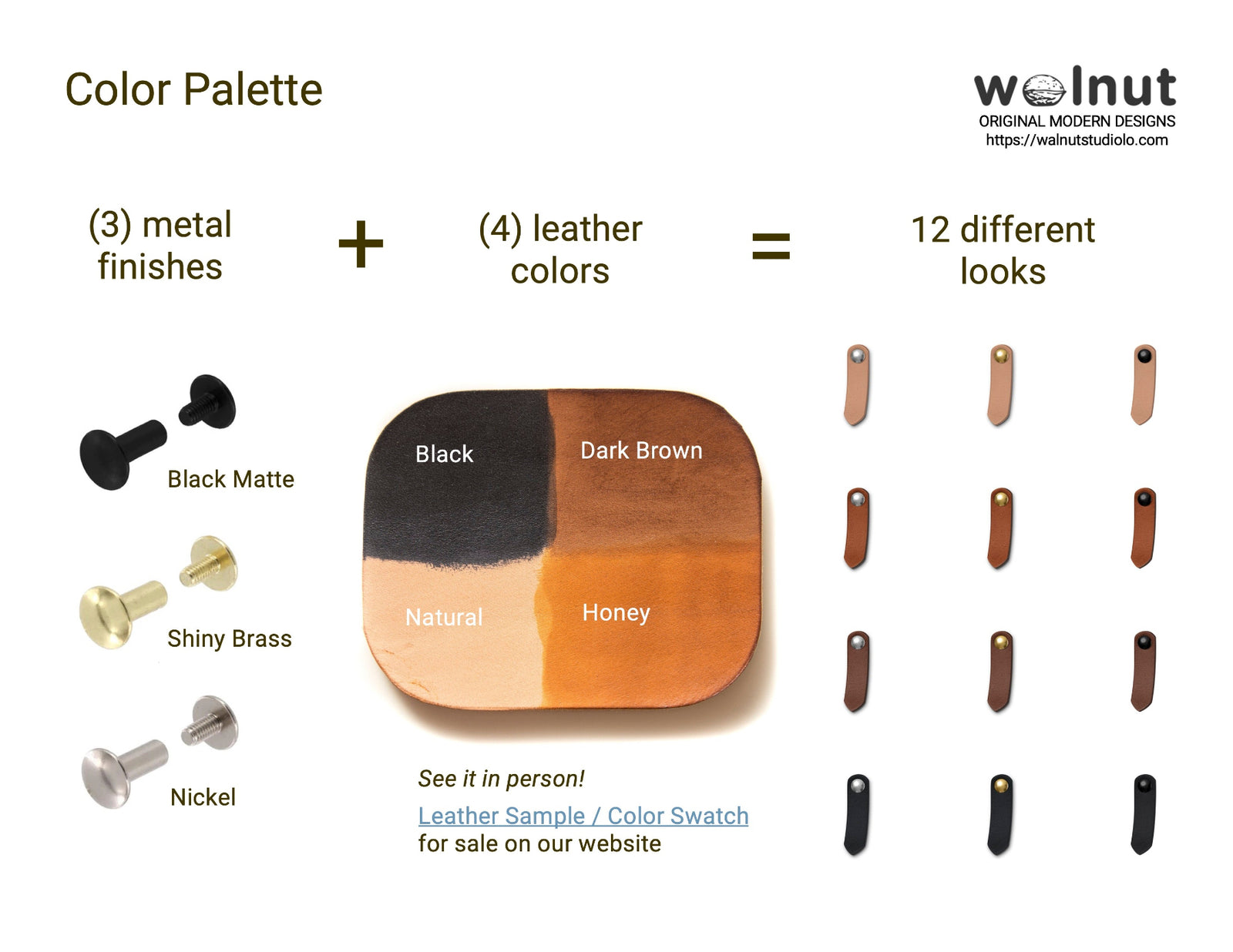

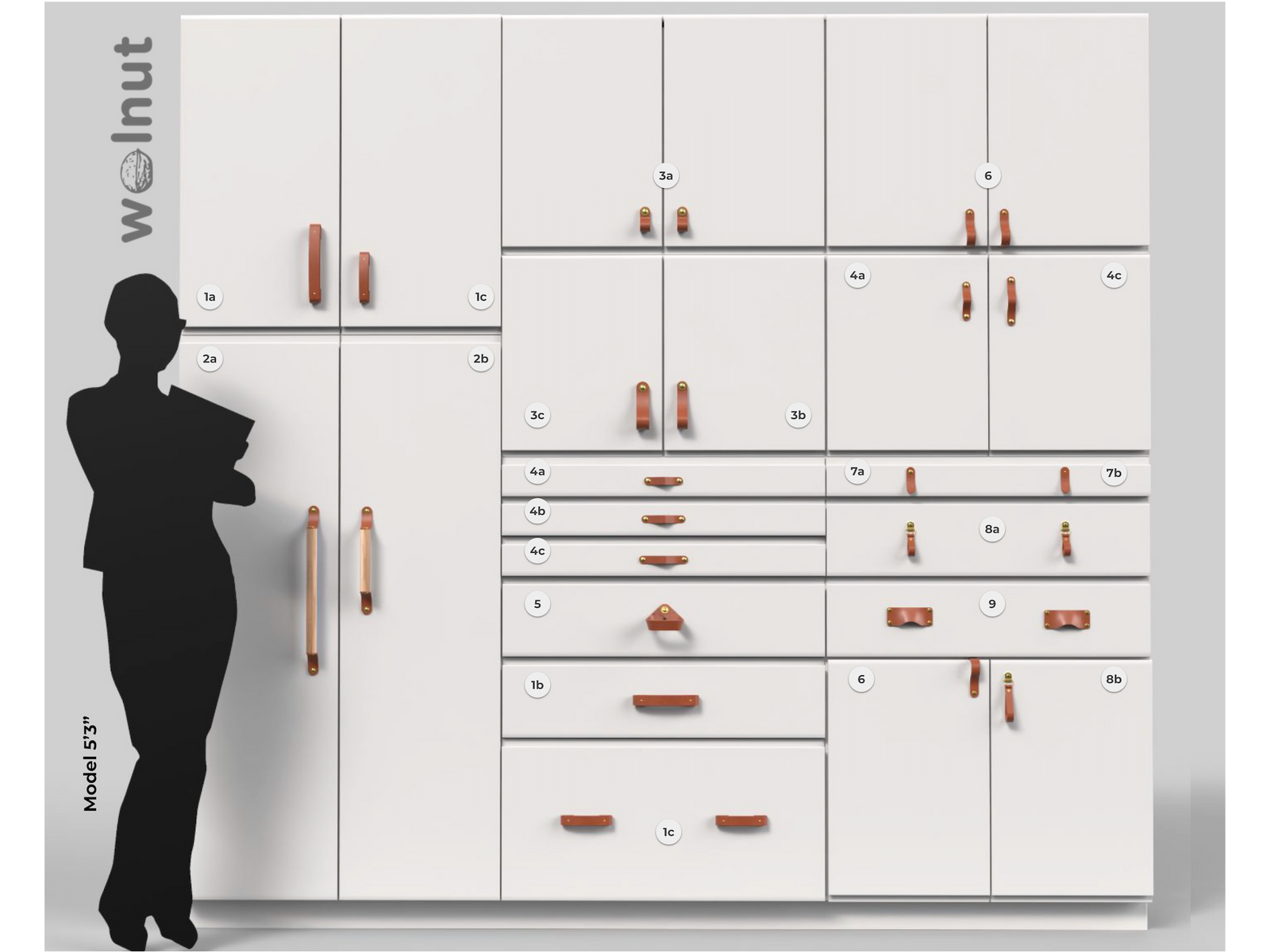

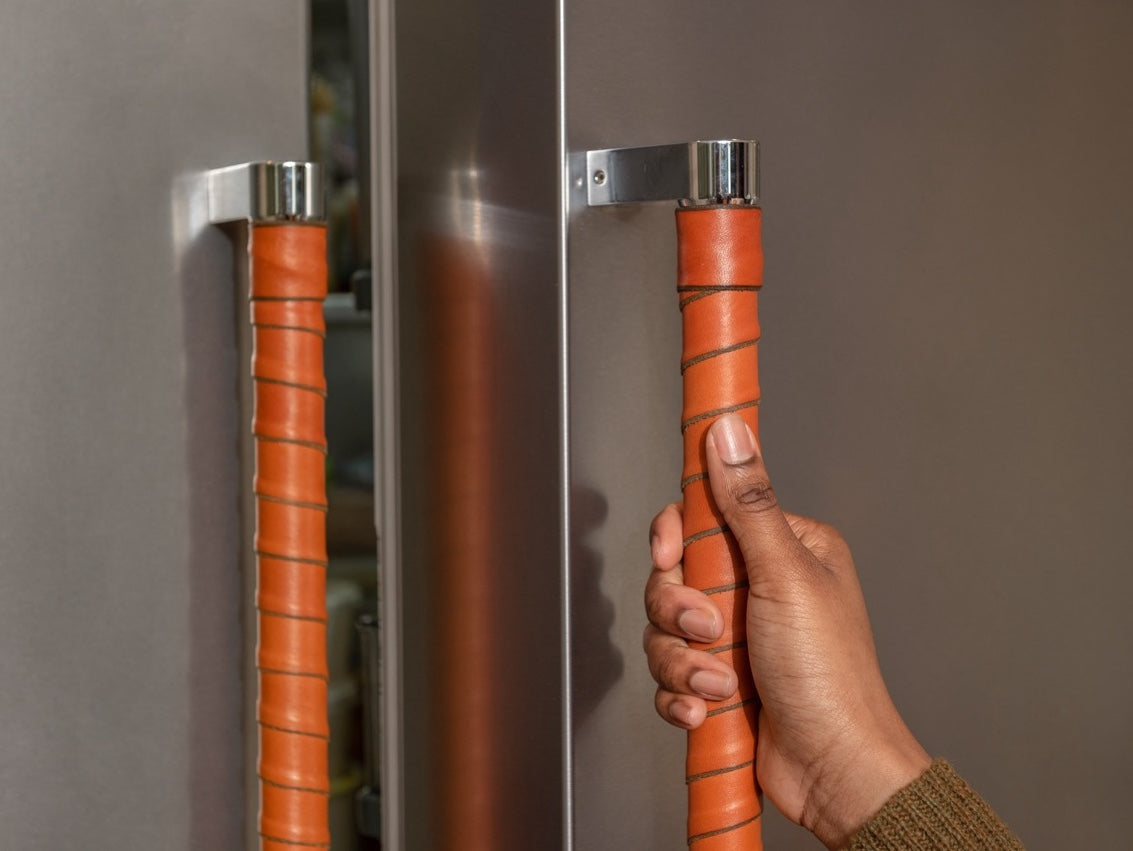

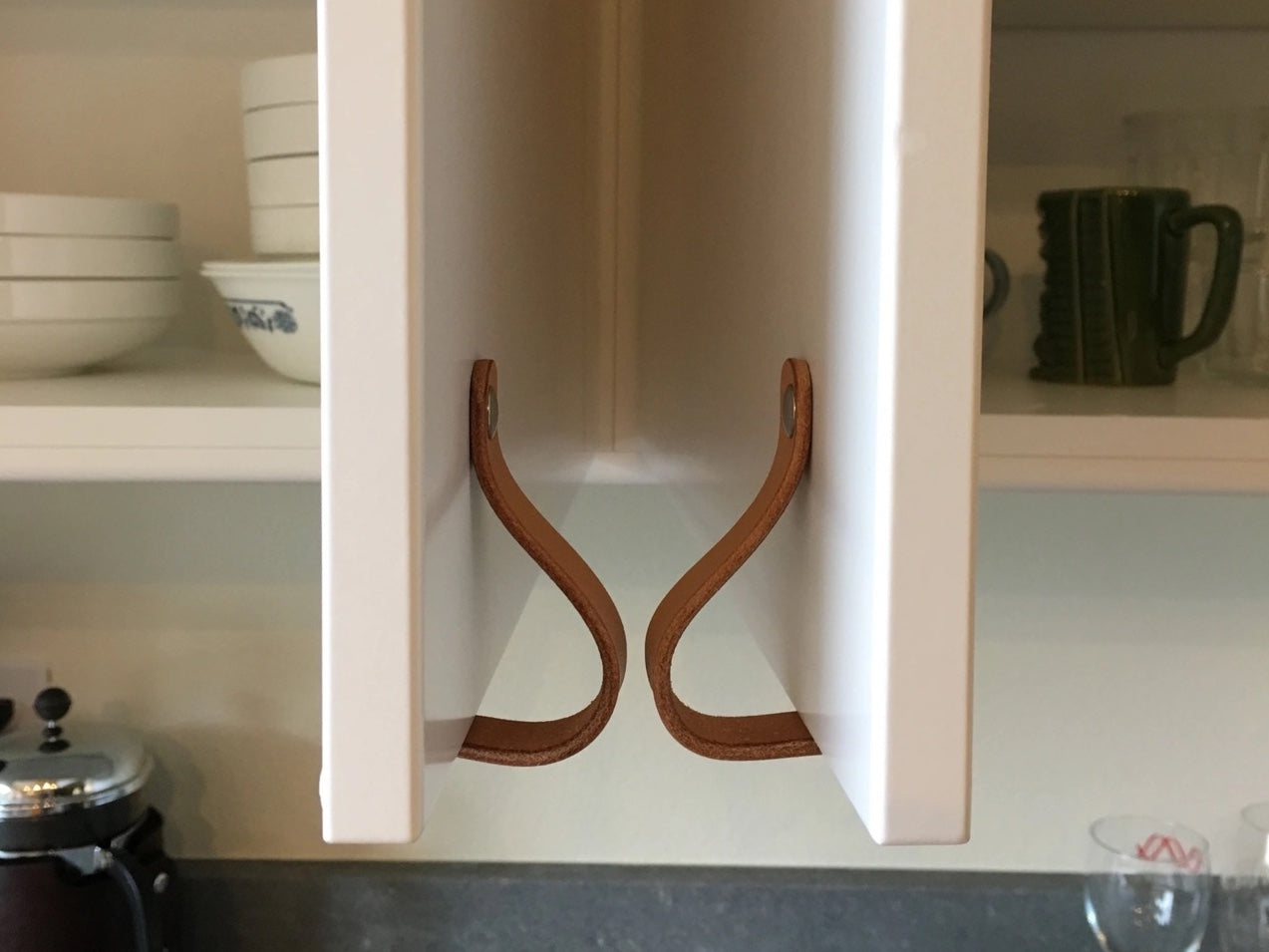

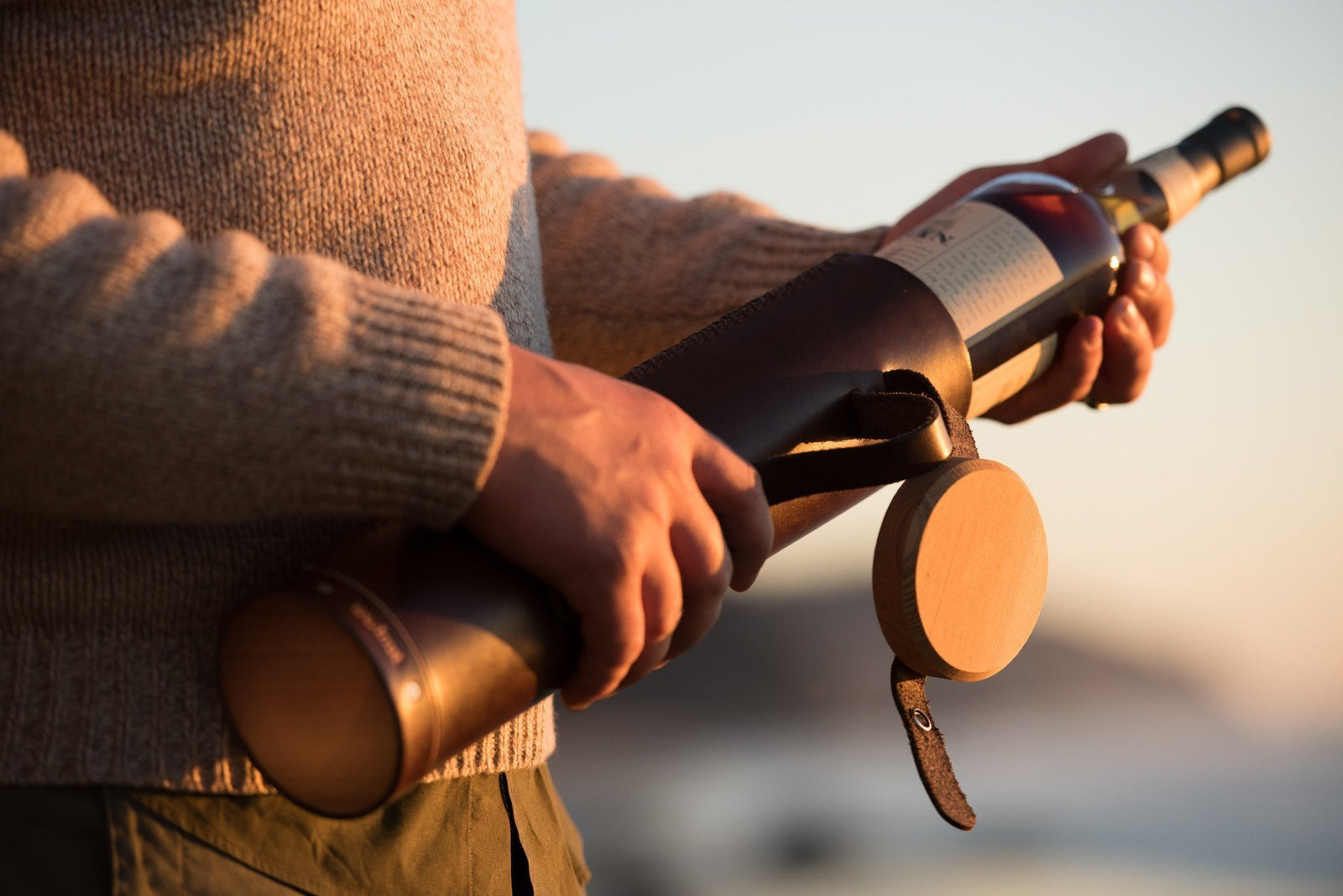

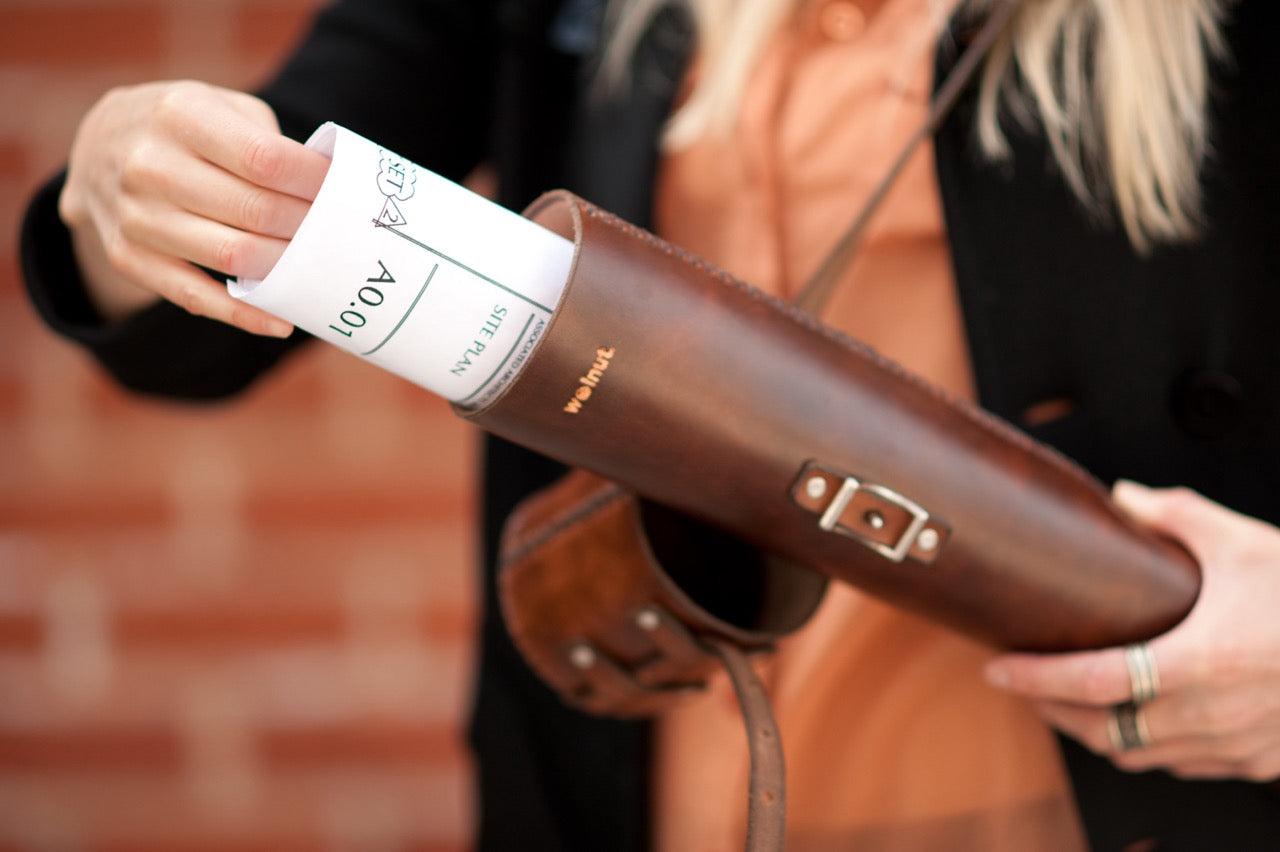

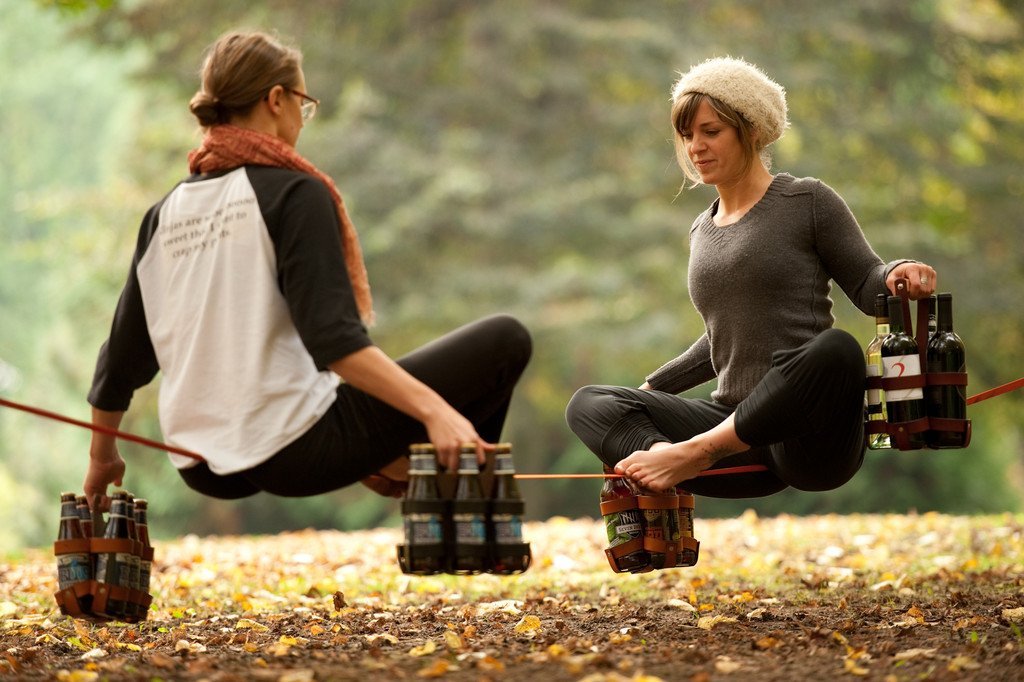

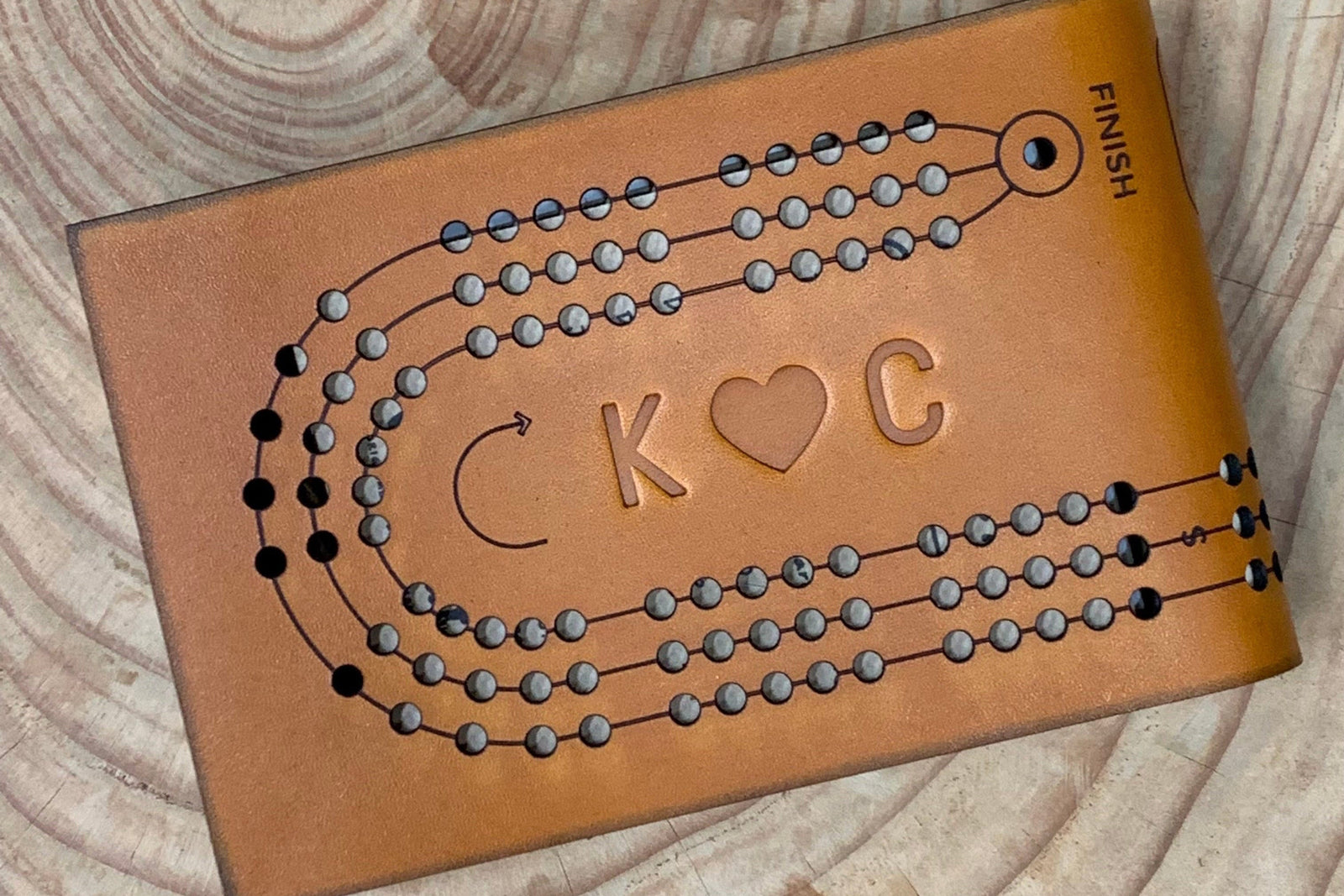











Here at Walnut Studiolo, we are dedicated to lasting quality. We believe in creating our leather goods to be as durable as possible for rugged daily use and reducing landfill material. And most radically, we believe in replacement parts - so that when one little part does wear out, it can be easily replaced instead of tossing away the entire product.
This may sound common-sense to you and me, but in the retail world, this is counterintuitive thinking inspired by some of the most progressive brands we know, like Patagonia's commitment to lifetime repairs. In additional to using quality, real leather, we believe in a dedicated handmade process for everything we make. Below are a few areas of leatherwork where handmade truly makes a difference.
The Edge Difference

As an old-timer once told us, you can always tell the quality of a leather piece by its edges.
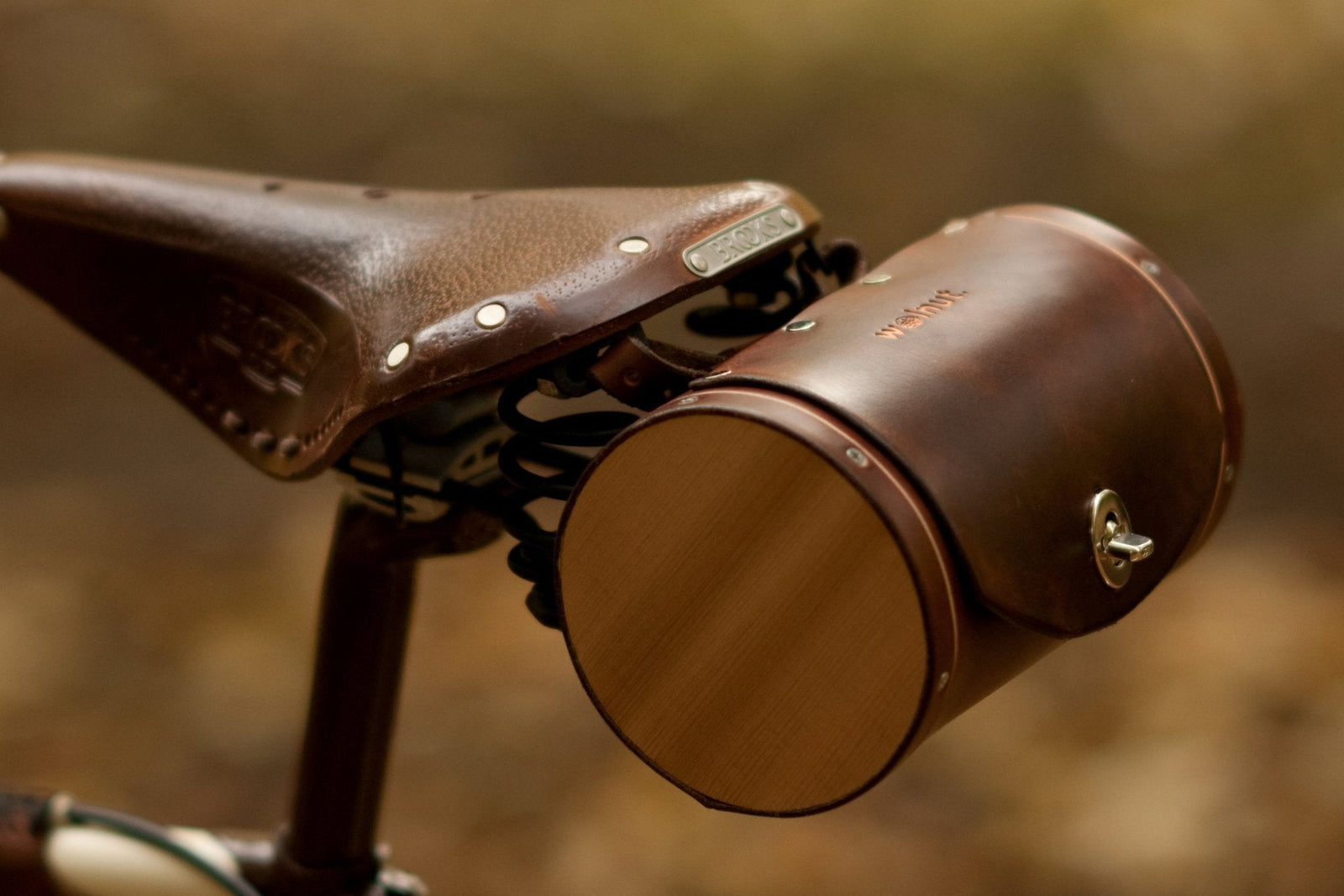
Leather edges are meant to be regularly handled and touched. They should be beautiful, tactile and durable. That's why we take the extra step to finish all of our edges.
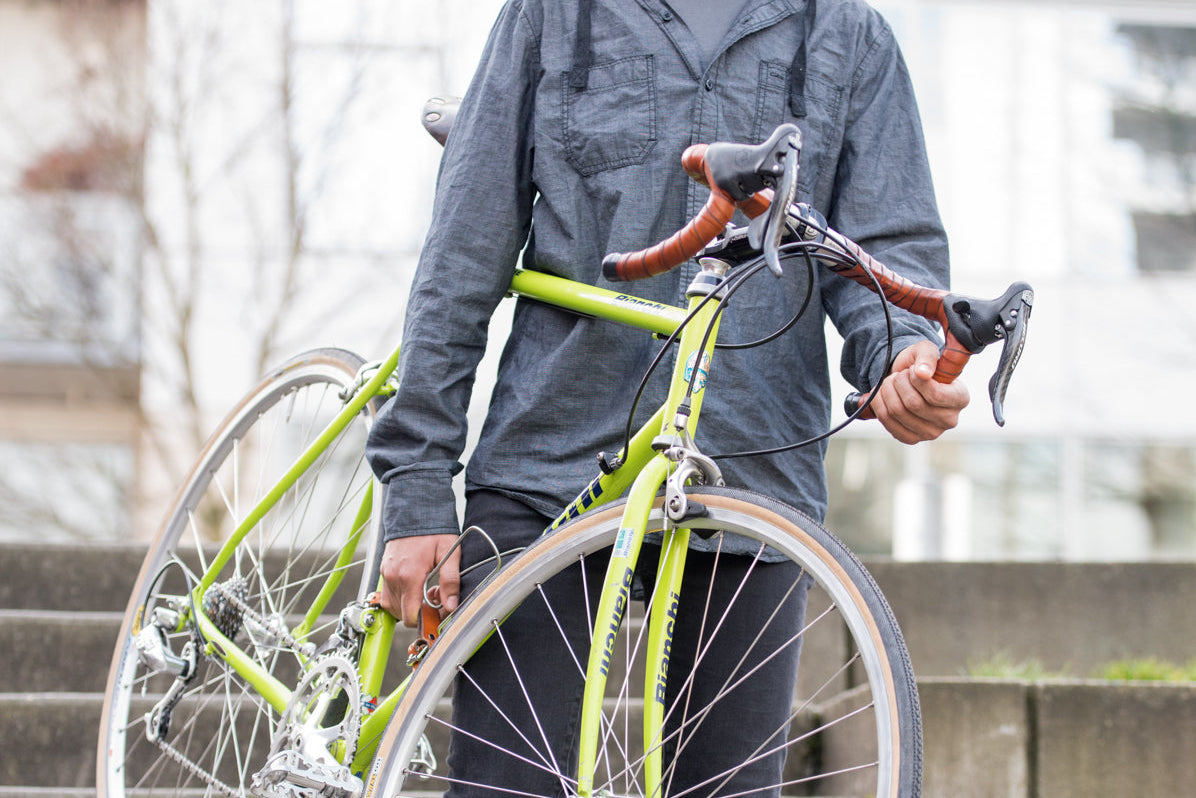
That means when you grab onto our Little Lifter to hoist up your bike, or open the flap of our Pocket Pannier, the edge is smooth, comfortable and pleasing to touch. Treating the edges of leather is an extra step many companies don't take the time to do - which is a shame. It would be like installing a wood countertop without beveling or rounding the corners.
Finishing the edges is a way to truly bring out two key characteristics of leather: finesse and suppleness. We also apply treatments to the edges of the leather with edge dye for a finished look on the borders. And depending on the product's weatherproofing needs, we'll also burnish the edges with melted waxes for durability and life-long sealing.
The Hand-dyed Color Difference

Leather is colored using any of several different dye methods, and the method of dyeing used speaks volumes about how much hands-on time the maker is spending on a product.
(Side note: we're only talking about full grain vegetable-tanned leather here. For a discussion of the differences between garment leather and vegetable-tanned leather, read Leather colors: garment vs veg-tan leather.)
- Painting. The cheapest and least effective method of dyeing is painting the surface with an airbrush (something we will never do).
- Drum-dyeing. Vegetable-tanned bridle leather can be dyed and waxed at the tannery by tumbling whole hides in drums filled with dyes and waxes. This extra waxing can be useful for heavy, muddy, outdoor applications like equestrian bridles and bicycle mud flaps, but the colors can be dull and muted. Some leathercrafters prefer this leather because some of it is dyed all the way through the leather (this is called struck through, or aniline). Then they don't have to spend the extra time working on edges because you can't see the natural leather through the cut area.)
-
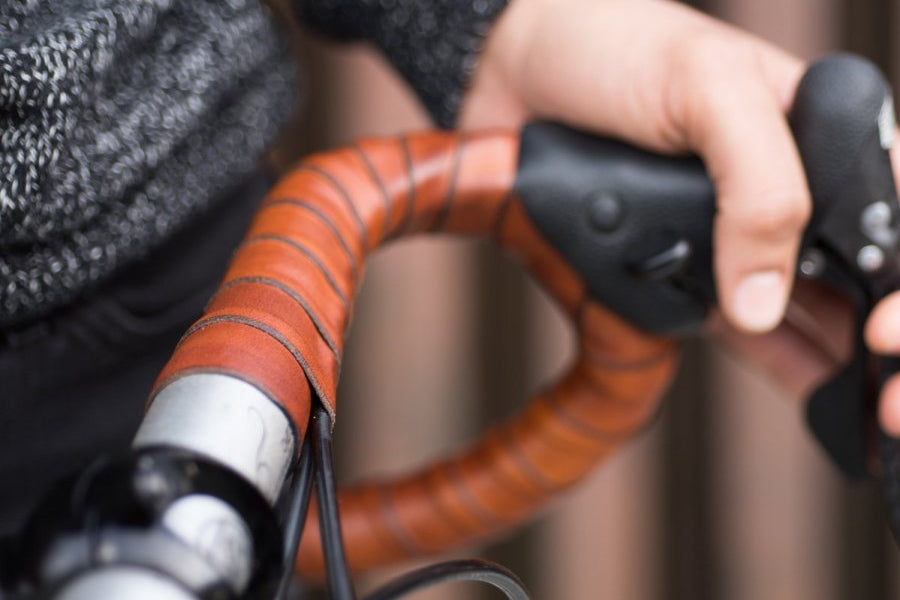
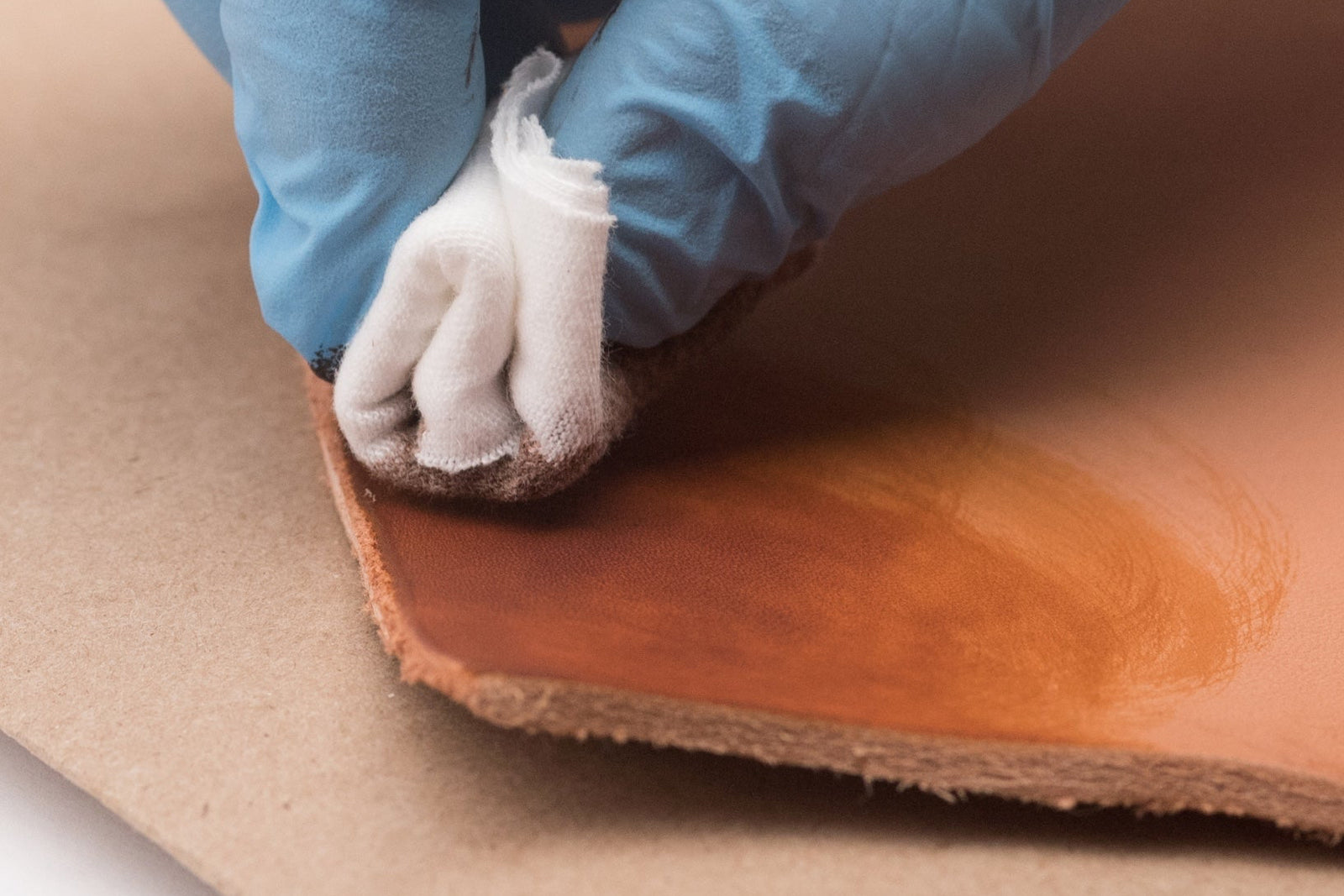
Hand-dyeing. Finally, you can hand-rub in oil dyes, which is what we do. The difference between airbrushing / drum-dyeing and hand-dyeing is like the difference between painting or staining wood:
- When you paint wood, you cover up the wood grain underneath to make a homogenous surface. You can't enjoy anything about the beauty of the natural material below: the grain and sheen of wood. At a glance, it could be painted plastic for all you know.
- With stained wood, you allow the beauty of the woodgrain to shine through, and you can appreciate every aspect of its natural character. Hand-rubbing in oil dye to leather takes a lot more effort and skill, but we believe it is worth every minute for the unmistakably lustrous, beautiful, character-filled sheen it brings to the leather. And as an old-timer once said to us, there is no higher expression of leather than to see its natural full grain.
The Hand Stitching Quality DIfference

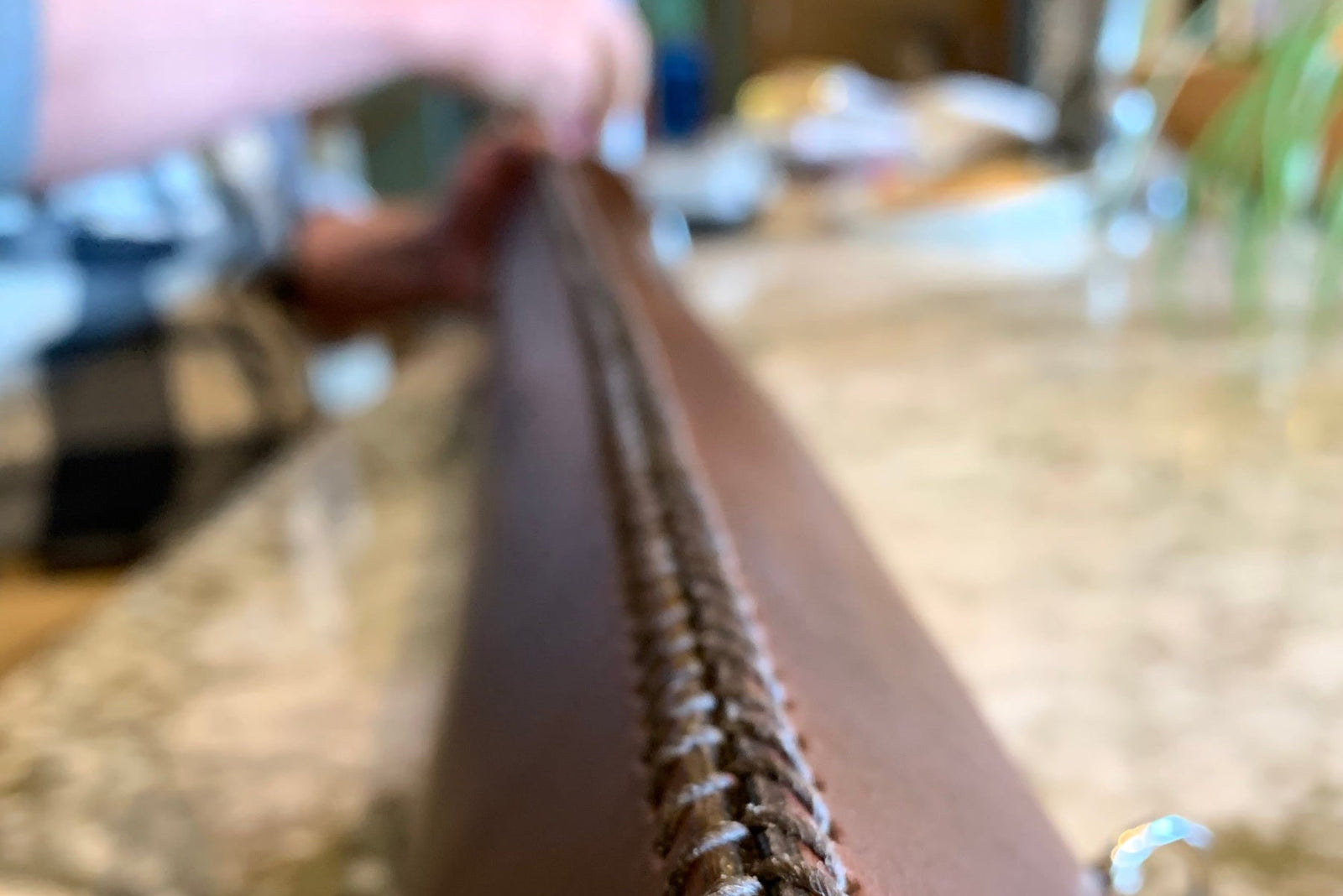
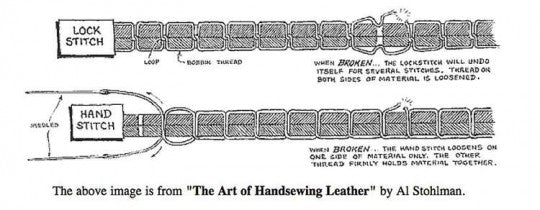
Leather stitching carries extra importance in the durability of the product. Hand-stitching simply creates a stronger connection than machine stitching. If it were to be cut, it doesn't unravel like machine stitching.
It's also risky: in crafting leather goods, we have to first pre-punch the leather with stitch holes. Once we make those holes, the placement is un-doable.
When stitching fabric with a machine, the needle can pierce through the weave without leaving an indelible mark, but in leather once the hole is punched it never fades away. Stitching can be the weakest spot of a leather good, so it's important that it's done right - and for Walnut Studiolo, that means stitching it by hand.
All of Walnut's stitched leather goods have been done by hand, by one person. (Yes, you read that right - all of our Barrel Bags, all of our Blueprint Tubes, all of our Whiskey Cases, and more, all stitched by one person, on the same couch with the same headlamp and stitching horse!)
Sustainability
Because we're creating our products by hand, we have greater control over every aspect of what we do - from the sourcing of our materials to the tools we use. That means we can more easily stay true to our values and weave important sustainability practices into our work.








Leave a comment (all fields required)