










Search

Original, unique designs to help with lifting and carrying your bicycle

Lifetime leather bar wraps in five styles for every type of handlebar and bicycle

Best-selling "commuter essentials" for making the daily commute easier

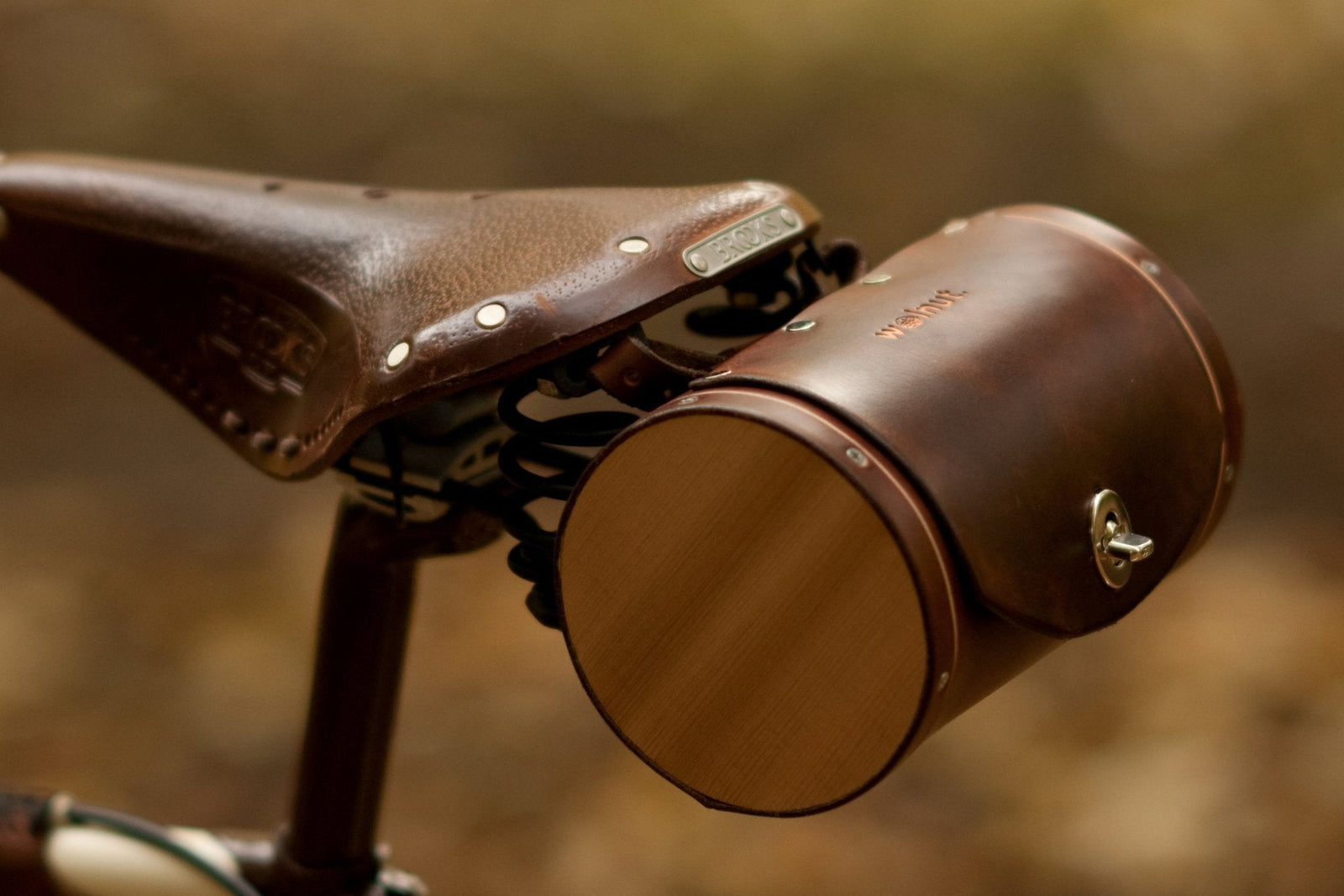
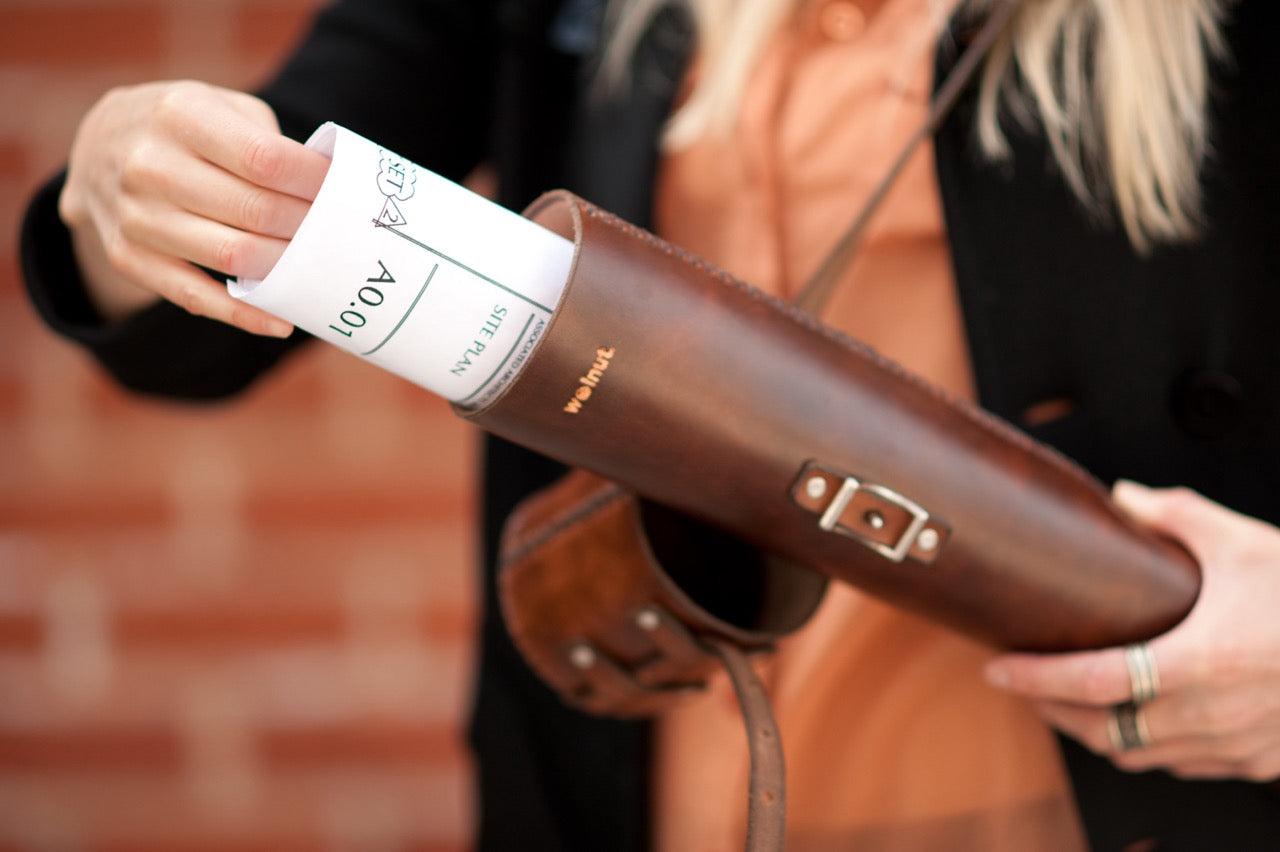
Stunning handcrafted bicycle bags carry the essentials and turn heads!

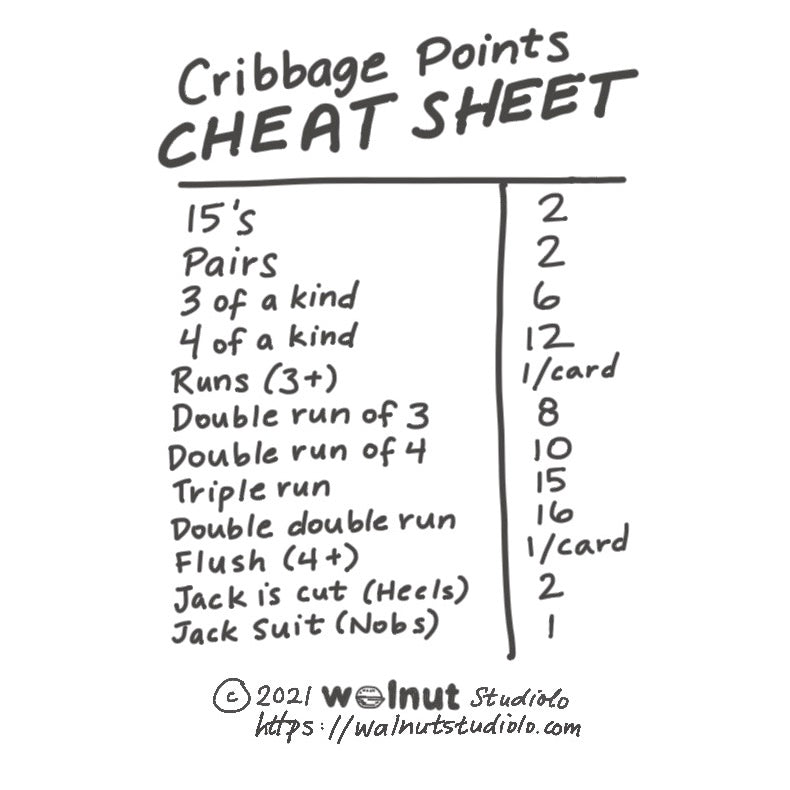
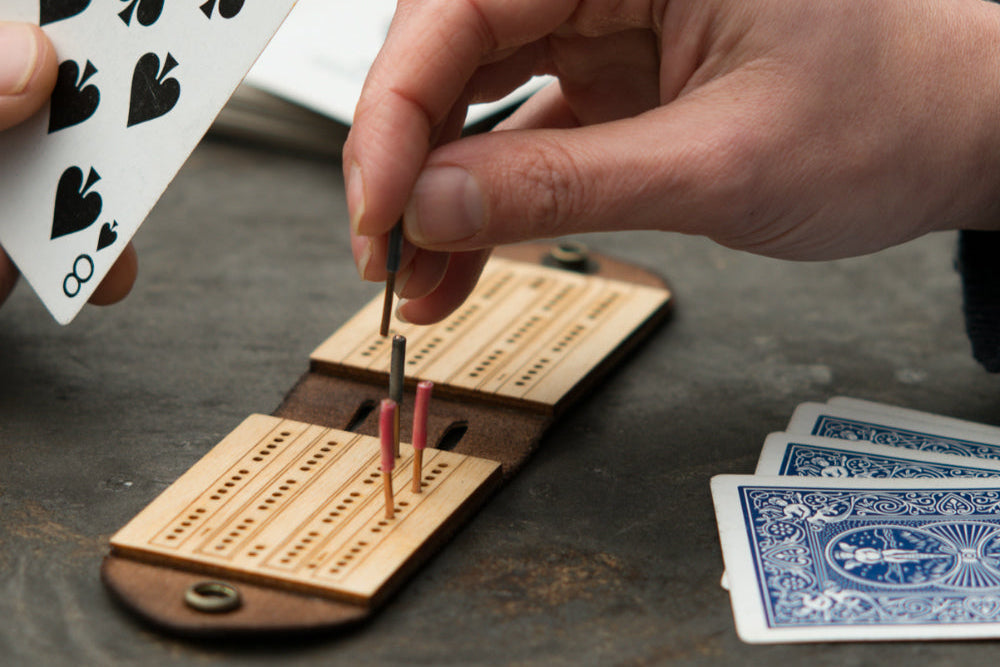
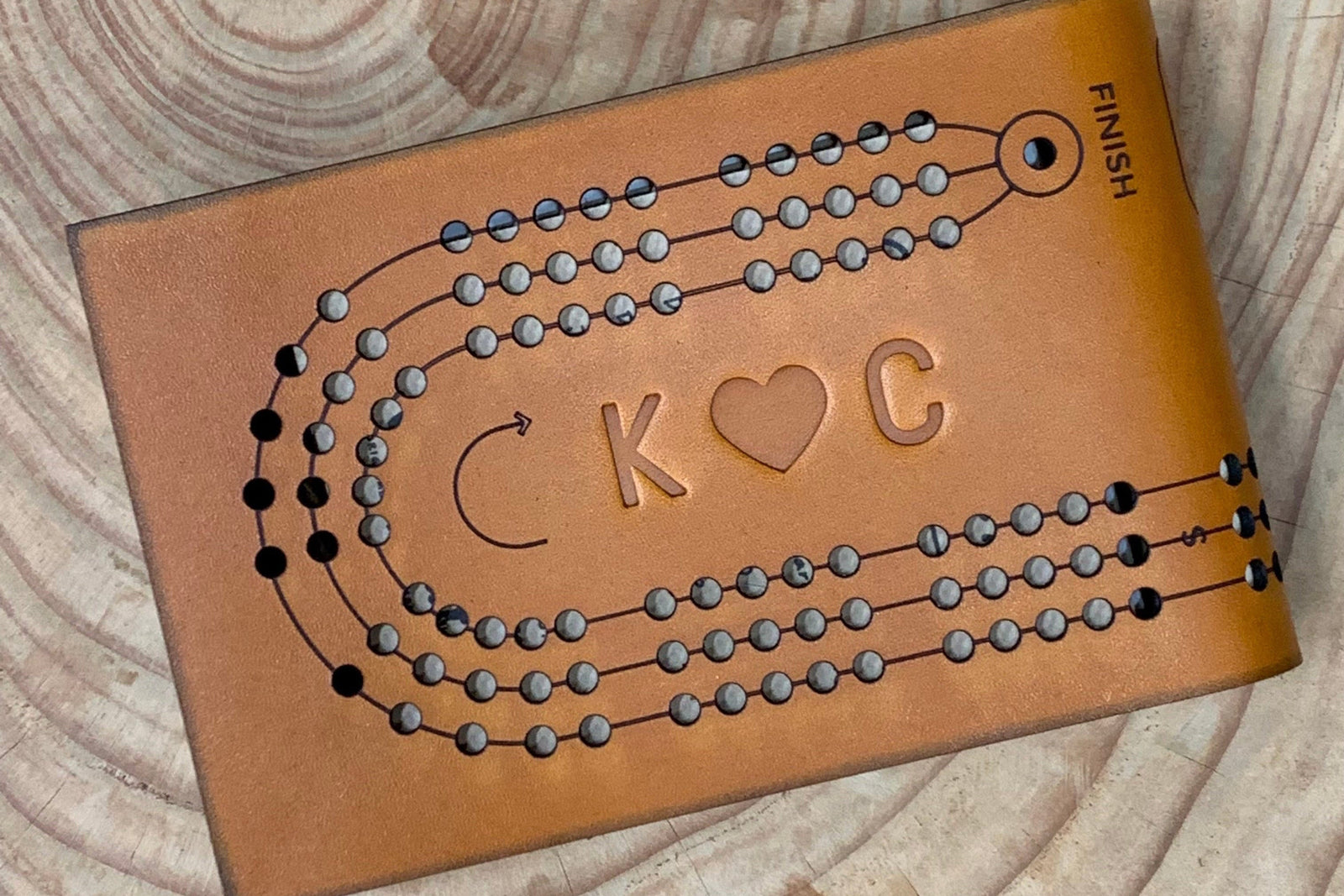
Our original best-selling Travel Cribbage Boards have fans worldwide

Convenient dice games on-the-go: farkle and yacht (yatzy)

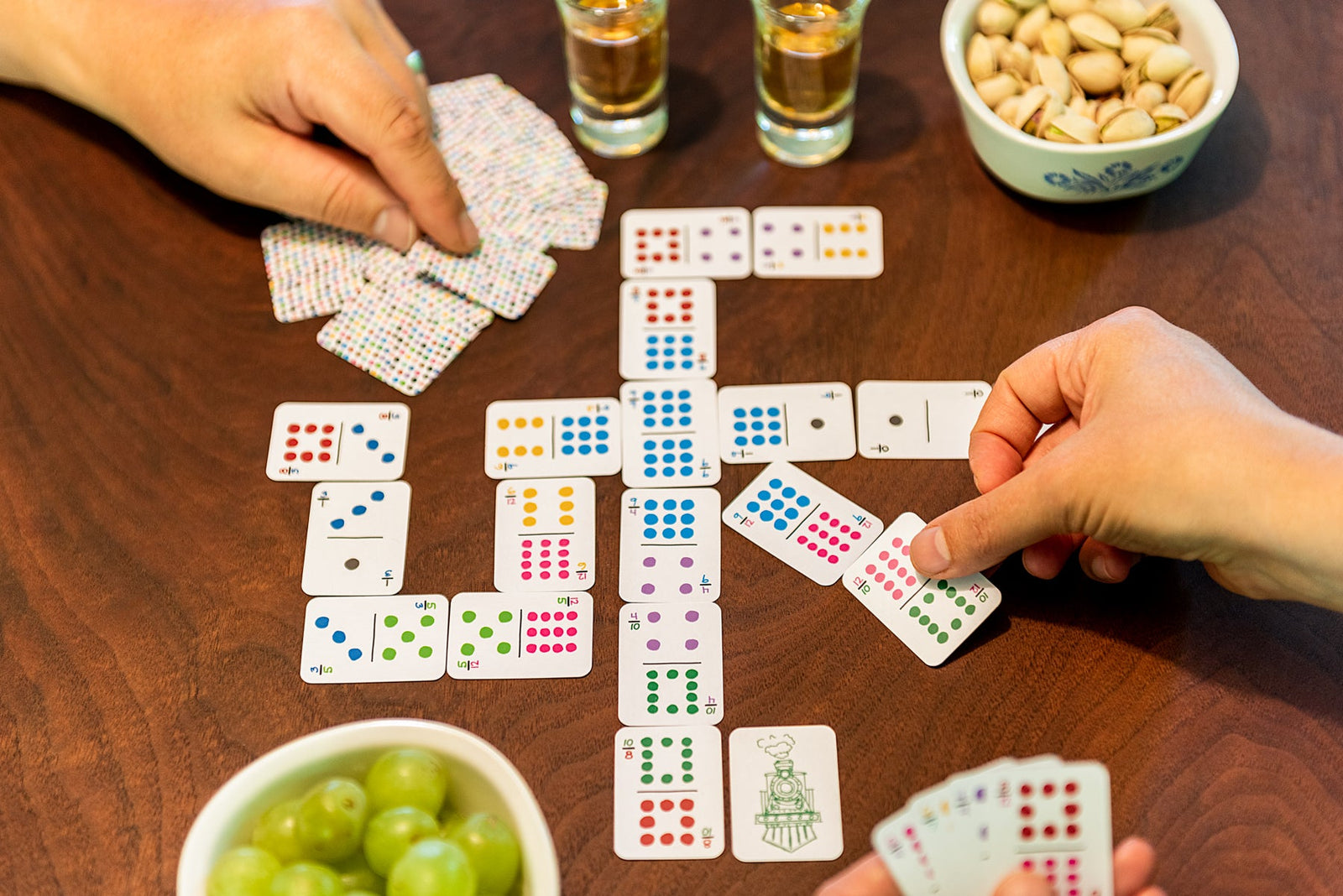
Perfect for travel: hand-drawn domino playing cards (2 sizes!)

Travel Backgammon for travelers, made from natural materials

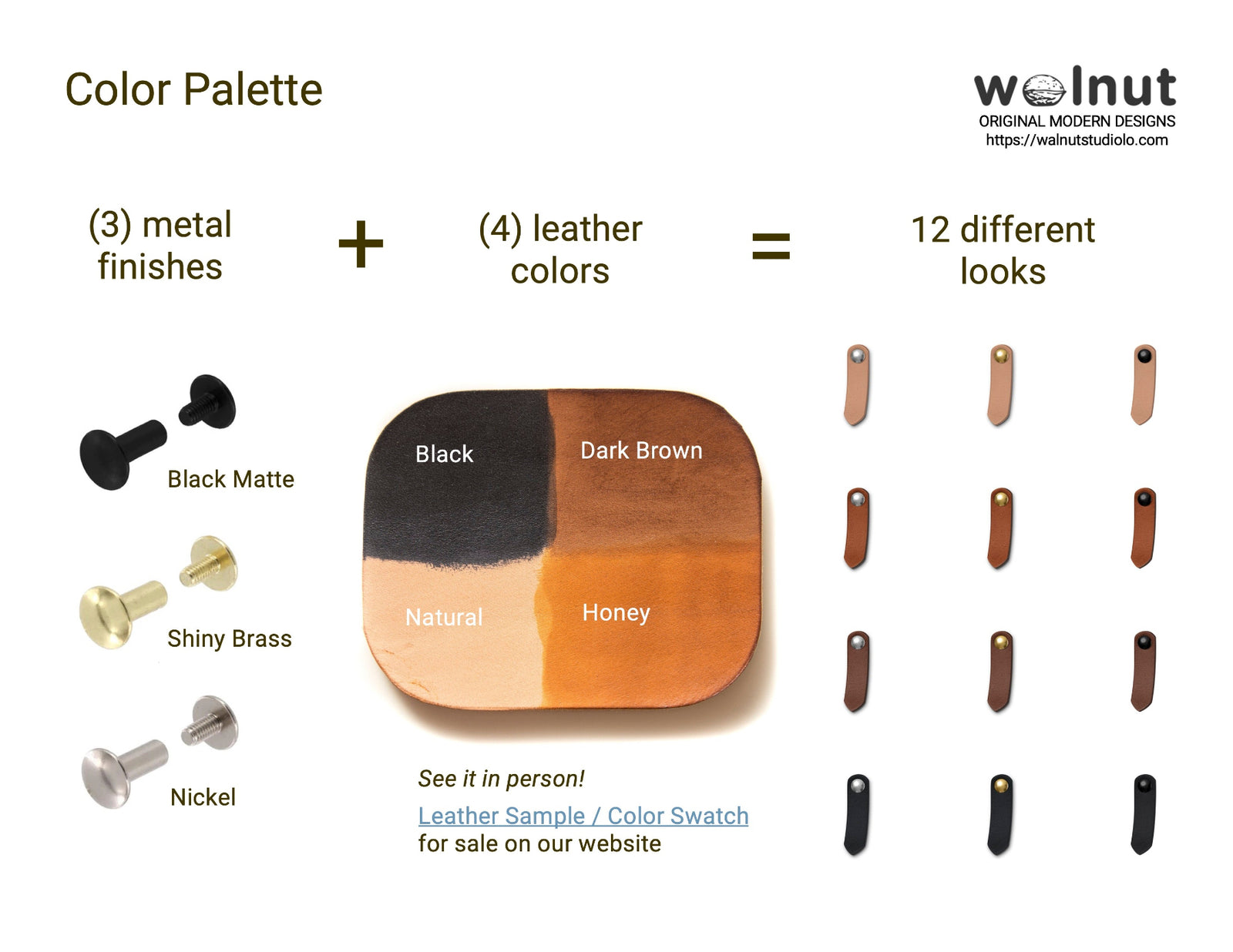
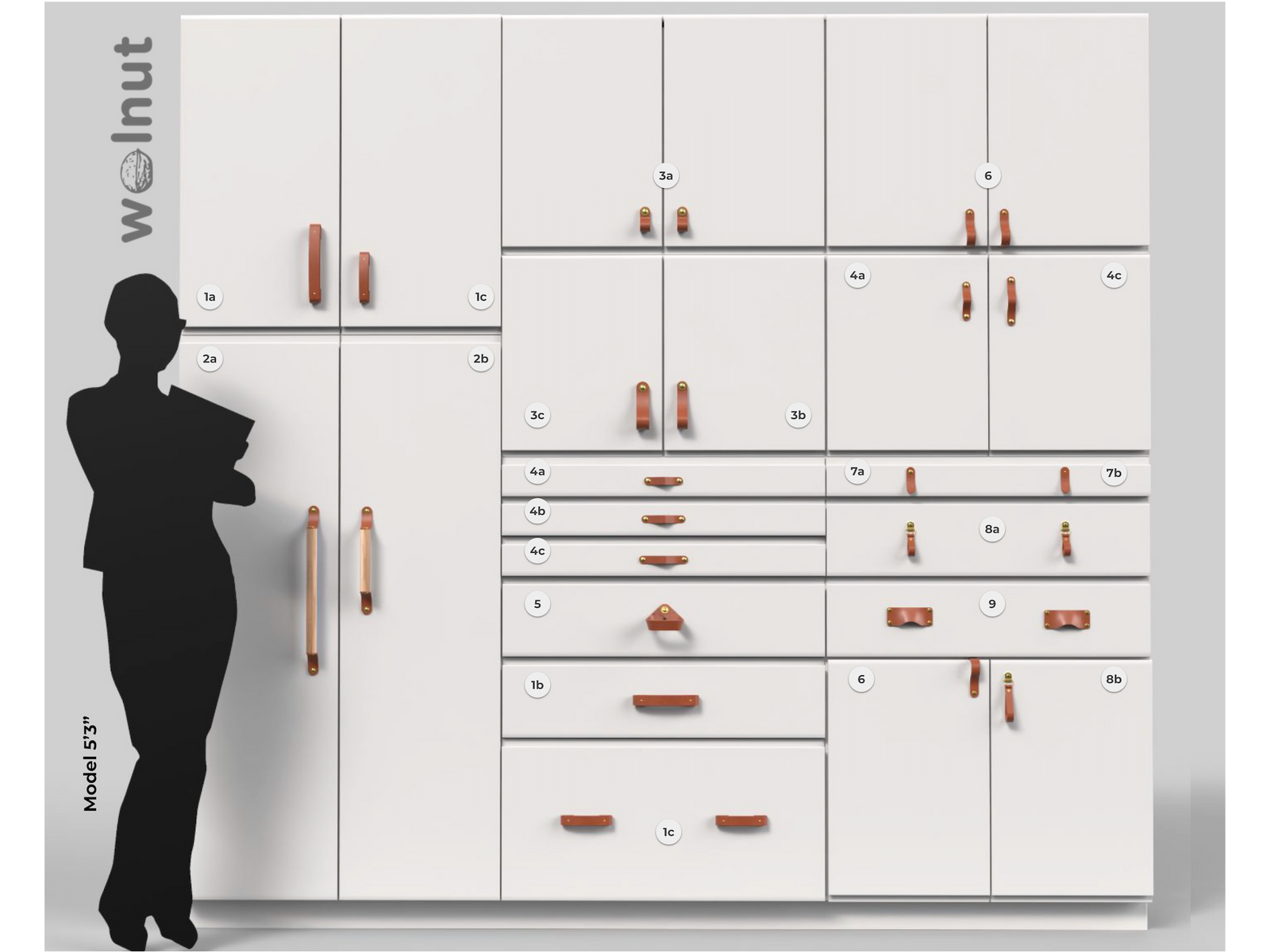
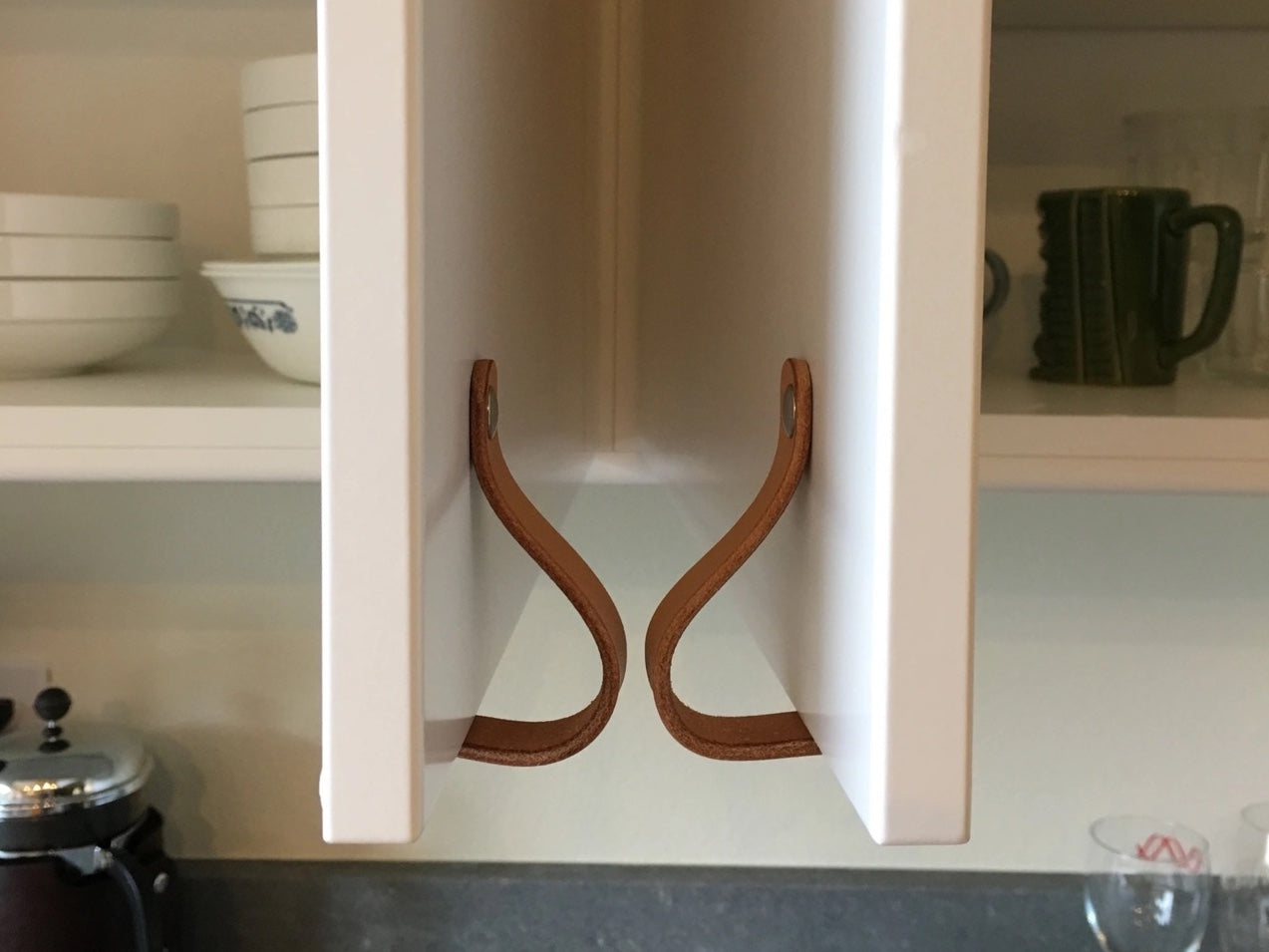
All handcrafted handles in 8 styles, 4 leather colors, & 3 metal finishes

Collection details, stylesheets, dimensions, sizing, palette & more

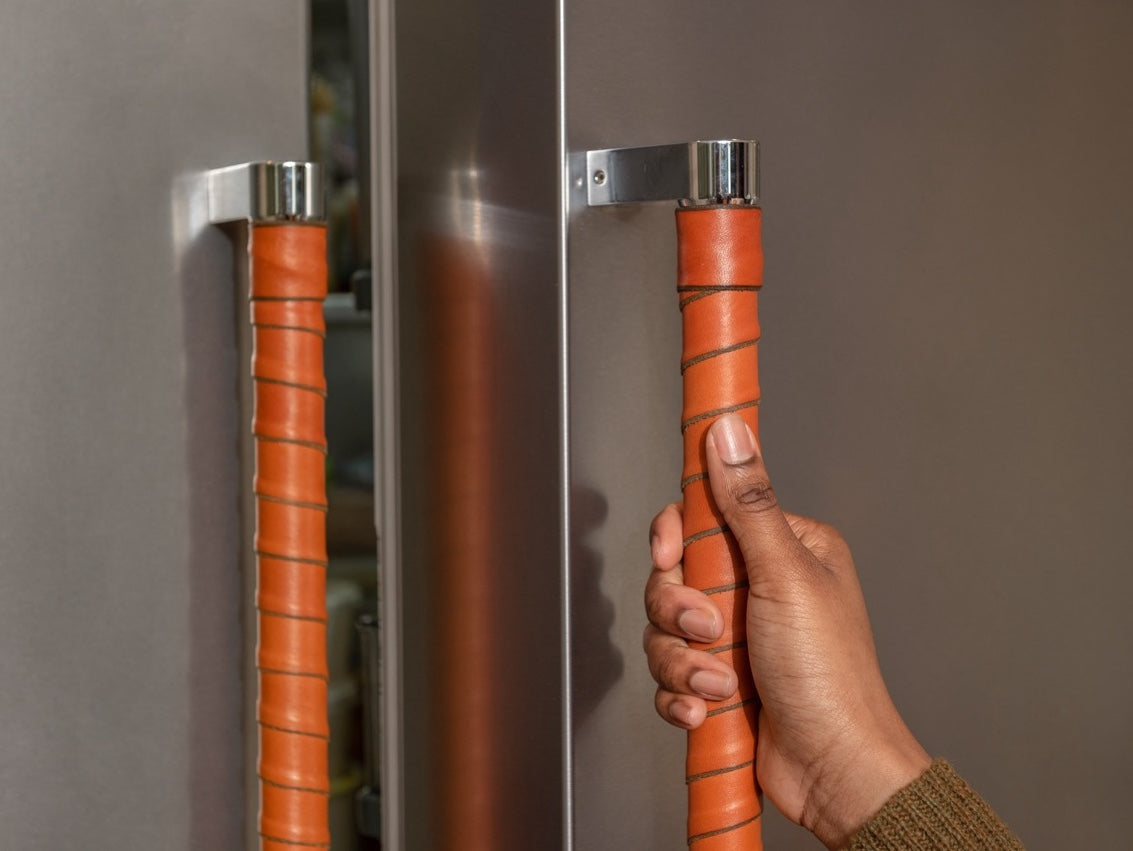
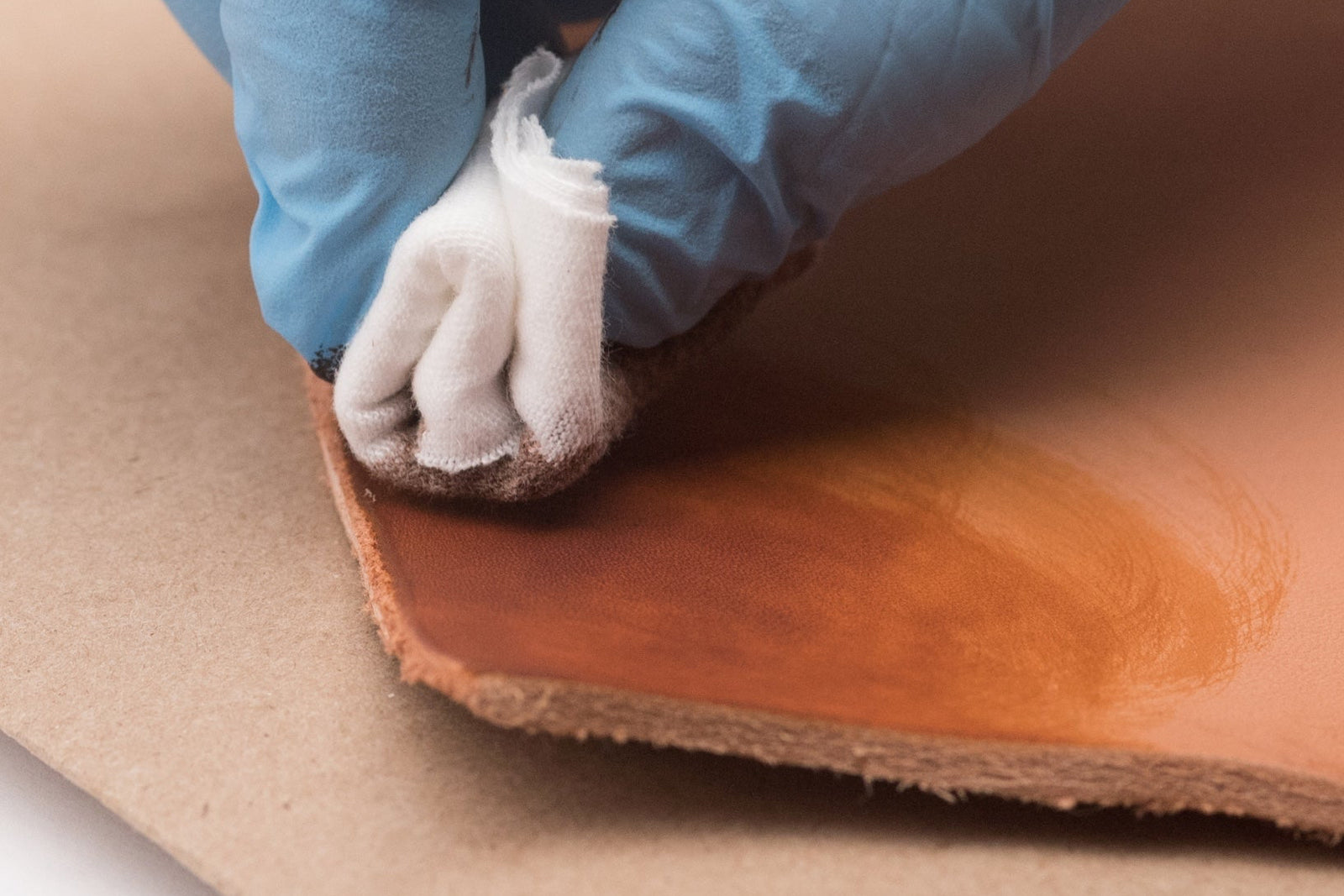
Wrap handles, bannisters and more in quality veg-tan leather

Tips and tricks on our blog: like using leather handles as bumpers

We wrote a free educational series about our favorite material, from how it's made to spotting vintage quality

Our blog"In a Nutshell" is written by humans:

- how-to guides

- in-depth articles

- photo essays

This blog is written by humans.

100% written by humans.
We don't use generative A.I.

Wood Care Guide Using Flax Wax

Here's how to use it to care for your wood spoons, spatulas, bench scrapers, and cutting boards in the kitchen: 

Still-life of a hand-carved wood spoon, abrasive hand pad, cotton buff rag, and flax wax in a rich gold color

Step-by-Step: How to Maintenance Kitchen Wood Utensils

1. Gather Your Materials

  • Abrasive pad: preferably the "just right" pad included with our wood care kit. (Or use a household green Scotch-Brite pad or similar)
  • Buff rag: preferably natural fibers like cotton and lint-free
  • Wood conditioner: preferably Flax Wax or a wood butter with beeswax. (Or use a simple drying oil like flaxseed or walnut)
Still-life of a hand-carved wood spoon, abrasive hand pad, cotton buff rag, and flax wax in a rich gold color

2. Apply with Abrasive Pad

Use the abrasive pad to scoop up a little conditioner. Use that pad to apply the conditioner to clean, dry wood utensils. 

A person holding an abrasive pad with a dollop of yellow wood conditioner wax in one hand and a dry wood spoon in the other hand

3. Thin Coat All Over Surface

Make sure to get corners, cracks, and crevices. The wood should look shiny and it won't immediately soak in. 

A person rubbing a wood spoon with  an abrasive pad, leaving the spoon shiny and wet-looking

4. Vigorously Sand with Abrasive

Use friction to apply the conditioner deeper into the surface. Use the abrasiveness of the buttered pad to vigorously sand down any woodgrain that’s risen. 

A person

5. Let It Rest

Let the conditioner soak into the wood. Rest as long as you can -- up to 24 hours. 

A wood spoon with a shiny glare resting on top of a blue cloth with an abrasive pad next to it

6. Buff Dry (Very Important!)

After a rest, buff the spoon dry with the rag. Absorb any excess conditioner into the fabric. Restore a mellow glow to the wood: it should not be shiny or wet-looking. It's ready to use! 

Hands in motion while rubbing a wood spoon with a cotton towel

You Might Also Be Interested In...

Leave a comment (all fields required)

Comments will be approved before showing up.

Search