







































We conducted an analysis of all our products and materials for plastic content, as part of our Sustainability Program and increasing concerns about the health and environmental implications of microplastics. Each material and product has been tagged as:
- Yes: plastic-free
- No: non-plastic-free
- "Variable": products that can be ordered or made without plastics by choice
This initiative creates transparency for our customers and efforts to improve future sourcing.

Jump to Section
Wait, But Why?
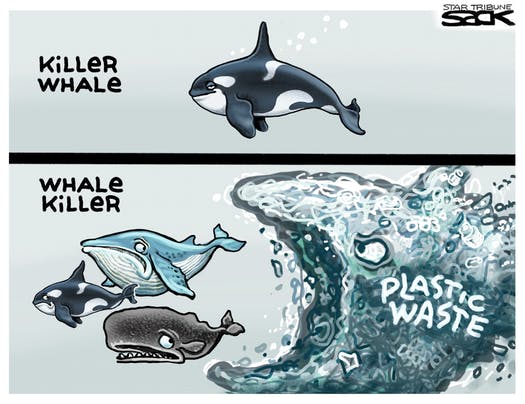
The world is drowning in plastics. In addition to the environmental pollution, it's a known endocrine disrupter. It's starting to impact human health. Many people are making the choice to reduce plastic exposure in their lives, and we want to support them.
The first step in reducing plastic exposure is identifying where it comes from. That's why we're publishing transparent information about the sourcing of our materials, and which contain plastic (petroleum-derived) content. The next step is seek out sourcing for non-petroleum-based alternatives when possible.
The goal of this effort is to provide practical information, identify areas of improvement, and help us and customers make the best, informed choices we can.
Netflix Documentary Plastic Detox, 2026
“Plastics affect the entire endocrine system of males and females, so everything to do with your hormones, which is fertility, cancer rates, immunity, obesity, intelligence, everything. "
- Louis Psihoyos, Co-Director
Our Initiative to Identify and Publish Plastic Material Content
1. Identify the materials that use plastics and petroleum-derived chemicals
As a small operation focusing on products made from natural materials, we thought this would be relatively straightforward. We already keep a list of all materials for inventory and accounting, updating it regularly with price and source information.
We did a walk-through of our entire material list to look for unknown content, and identified materials for further research:
- We skipped raw materials that are already whole and natural, such as pure wood, metal, or leather
- We investigated material content for pass-through products that we purchase from other manufacturers, such as playing cards, dice, or waxed thread
- We spent extra time researching adhesives and finishes, or products that have adhesives like plywood. For each, we looked up the Material Safety Data Sheet (MSDS) and conducted an online search for each identified chemical source to see if it was petroleum-derived or plastic.
We tracked the results, saving the MSDS and individual chemical search results in a folder, and marked each material as plastic-free or not in our inventory sheet.
The primary sources of plastics in our products included:
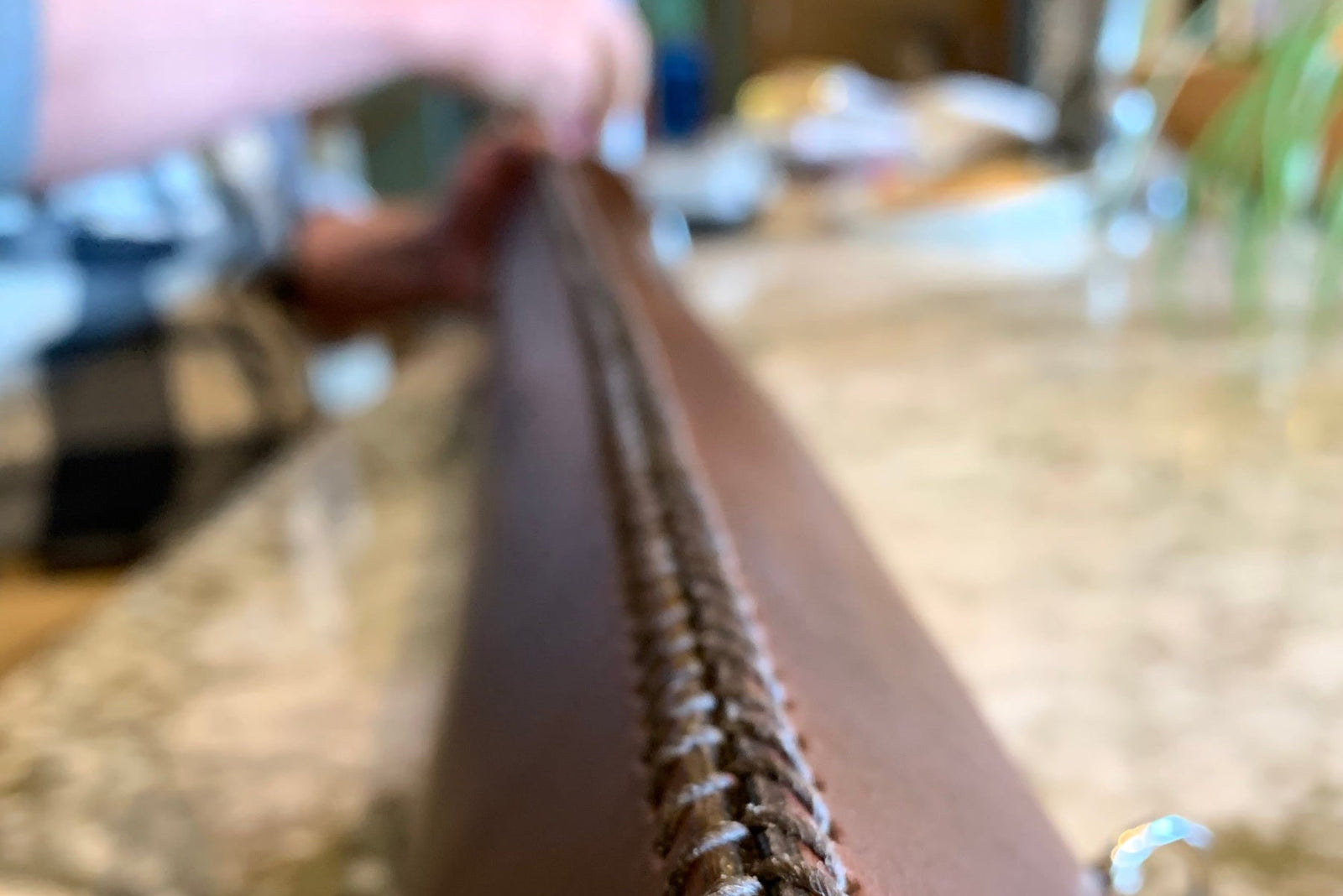
- Waxed nylon thread used for hand-stitching
- Dice made from (presumably) petroleum-derived resins (non-petroleum resin alternatives are not generally commercially available)
- Plastic coatings and layers in playing cards for durability and water-resistance. (Before plastics, playing cards were made from cardstock paper or fabric materials like linen and cotton and wore out quickly.)
- Metal lacquers, to prevent tarnish and rust
- Wood finishes, to enhance the grain and protect from surface scratching and water damage
- Glues in plywood
2. Assess each product for plastic content
We looked at the materials we use for each product, and then assigned each product one of three tags:
- Yes: Entirely plastic free (to our best knowledge). The biggest unknown is when we use parts from other manufacturers who won't disclose their plastic content as trade secret and are not required to provide an MSDS. For example, metal hardware which may or may not have a lacquer.
- No: Contains necessary petroleum-based components that are endemic to the product or can’t be removed and still function. For example, professionally printed playing cards, or products that been hand-stitched together using nylon thread.
- Variable: Has options or variants that are plastic-free (to our best knowledge). For example, the plastic-containing components are removable or optional parts that could be sourced elsewhere, or can be made plastic-free upon request.
3. Publish plastic content information
For each product, we added a "Plastic-Free Analysis" section to the product description that includes:
- Yes / No / Variable determination from materials analysis
- A brief description of which components may contain plastics, if any, including the non-plastic options to choose for "Variable" products
- A link to this blog post for more information
It is our hope that customers can use the information in this section to make informed choices and feel confident in what they're receiving.
4. Consider alternatives
This was the most valuable part of the exercise. Each time we determined a material or product had plastic content, we winced. Was there no other option? Why use nylon thread? Is wood polygel functionally necessary? Is there a source for 7mm wood dice? What are the alternatives and how much do they cost?
We immediately searched for some alternatives that would have the biggest impact, such as beeswaxed linen thread instead of nylon, but had no success. There was beeswaxed nylon and paraffin-waxed linen: each with plastics, one way or another. There were no slam dunks or easy answers.
Nonetheless, this will be an ongoing effort. Each item that contains plastics is identified in our inventory sheet, and each time we need to re-order we'll be confronted with that choice once again. We hope with time, awareness, and evolving material options, to phase out more plastics when possible.
Takeaways: Lessons Learned
When we started this initiative, we thought it would be easy, as a small handcraft company using primarily natural materials like leather, wood, and metal.
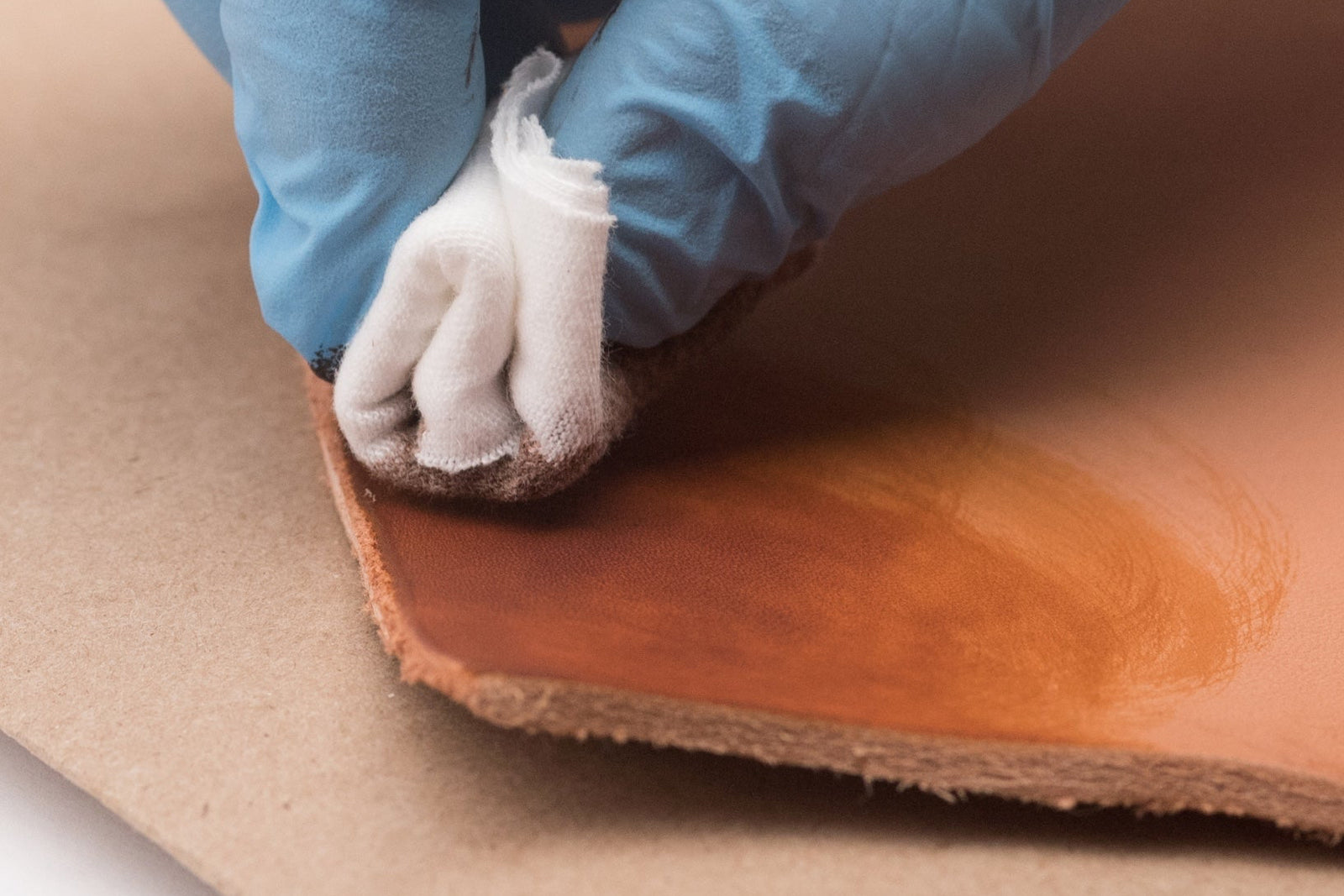
And in the beginning, we were pleasantly surprised and encouraged: all of the finishes we use for our leather are "old school" enough to be pre-plastic age. Our leather is entirely plastic-free. And leather comprises the majority of our products!
But rarely do we sell simply a piece of leather. As we dug into the details, we found plastics show up in a lot of unexpected and disappointing places: hardware, accessories, components made by other manufacturers, and wood and metal pieces and that require protective finishes. Meanwhile, some of our parts manufacturers wouldn't disclose what they use as a trade secret.
This initiative proved to be harder than expected. Long and complex supply chains and price pressure mean that they are practically unavoidable, and even unknowable. But we have no regrets: going through this exercise helped us identify the targets where we could make the greatest improvement, and create more material transparency for our customers.
In reality: a pure plastic-free existence is not currently possible in this world. Sometimes, such as with sterile life-saving medical supplies, plastics are even the best choice. That's why most people reducing plastics exposure focus first on direct impacts to environment and body in the same spirit of Reduce, Reuse, Recycle:
- Prioritize avoiding ingesting plastics through contact with food, the mouth, or soaking into the skin
- Choose natural materials, such as peanut butter in a glass jar instead of a single-use packet, or bamboo-bristled toothbrushes
- Reduce plastic purchases when possible, especially single-use plastics
- Recycle or properly dispose unavoidable plastic wastes
Resources - Further Reading
More Resources
- Netflix show Plastic Detox tracked couples who went plastic-free to try to address infertility
- Watch The Story of Plastic
- Learn more in the NYT article, Life Without Plastic is Possible. It's Just Very Hard
- Comedian John Oliver covered plastic pollution on a March 2021 segment of Last Week Tonight







Leave a comment (all fields required)